••
Queen Mxima discusses financial inclusion with President Mahama and Asantehene
•2 min read•3 sources
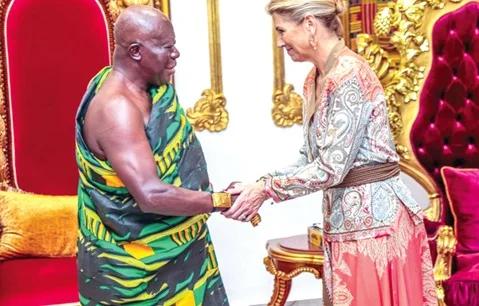
Queen Mxima of the Netherlands, serving as the UN Secretary-General’s Special Advocate for Financial Health (UNSGSA), held high-level discussions with President John Dramani Mahama and the Asantehene, Otumfuo Osei Tutu II, during her diplomatic visit to Ghana. The visit focused on deepening financial inclusion and improving the financial resilience of underserved populations, including women, smallholder farmers, and informal sector workers. The discussions highlighted Ghana's significant progress in financial access, with World Bank data showing account ownership has risen from 29% in 2011 to 81% in 2024.
During her meeting with President Mahama at the Jubilee House, the Queen explored digital innovations designed to bridge the credit gap for small enterprises and the informal sector. A central pillar of these talks was the proposed establishment of a Women’s Development Bank to expand credit access and the development of affordable mortgage financing. The President also outlined plans to upgrade rural telecommunications from 2G to 4G and introduce a digital wallet linked to the national ID system. However, the leaders also addressed challenges such as mobile money taxes and the need to modernize the traditional "susu" savings system to better serve the modern economy.
At the Manhyia Palace, the Asantehene and Queen Mxima focused on the agricultural sector's financial needs. The Queen advocated for financial institutions to create tailored products for farmers, specifically emphasizing weather-indexed insurance and alternative lending options to help smallholders navigate climate-related risks. While she praised Ghana’s strides in digital finance, she raised concerns regarding the detrimental effects of high-interest digital loans on vulnerable borrowers. The Asantehene reaffirmed the historic relationship between the Netherlands and the Asante Kingdom, pledging continued support for initiatives that improve farmer livelihoods.
Queen Mxima encouraged the government to leverage Ghana’s current economic recovery to integrate clear financial health goals into the upcoming National Financial Inclusion and Development Strategy. She emphasized that true financial health requires more than just account ownership; it necessitates public-private partnerships that ensure financial services lead to improved well-being and resilience. The visit concluded with a shared commitment to using digital innovation and data sharing to create a more inclusive financial landscape for all Ghanaians.
Related topic
John Mahama: Latest News & Updates →

