••
Ghanaian cedi sells at GH₵12.25 across forex bureaus
•2 min read•1 source
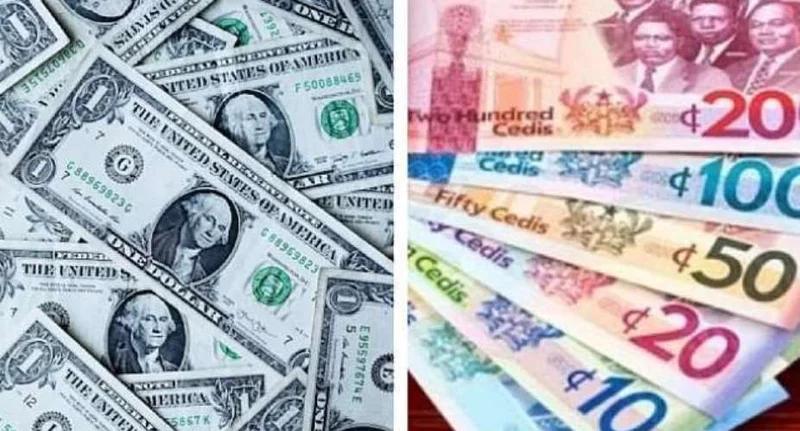
The Ghanaian cedi recorded a slight depreciation against the U.S. dollar on November 7, 2026, with the currency trading at an average selling rate of GH₵12.25 at various forex bureaus. According to market reports from the day, the bureaus offered an average buying rate of GH₵12.00, reflecting the current retail demand for the dollar. Across the broader forex market, the average rates were captured at GH₵11.84 for buying and GH₵12.15 for selling, illustrating the minor fluctuations within the private exchange sector as the final quarter of the year progresses.
In contrast to the retail bureau rates, the official Bank of Ghana interbank market maintained a more stable pricing structure. On the interbank platform, the dollar was quoted at a buying rate of GH₵11.63 and a selling rate of GH₵11.65. This spread between the official bank rates and the bureau rates remains a key indicator for market participants tracking currency volatility and liquidity in the Ghanaian financial system. The stability of the official rate suggests a controlled environment within the formal banking sector despite the pressures seen in the retail market during Thursday's trading session.
The daily financial report also provided essential benchmarks for other major international currencies used in Ghana. Beyond the U.S. dollar, the market monitored the performance of the British pound and the Euro, both of which are vital for international trade and personal remittances from abroad. Additionally, specialized rates were noted for digital subscriptions and remittance services, reflecting the modern landscape of the Ghanaian financial sector where electronic transactions and digital payments play an increasingly significant role in the daily economy.
Under the administration of President John Mahama, who was inaugurated in January 2025, monitoring these daily shifts remains a priority for maintaining economic stability and business confidence. While the current movements are considered marginal, they are closely watched by businesses and importers who rely on predictable exchange rates for financial planning. As the cedi continues to navigate these daily shifts, stakeholders look toward the Bank of Ghana for continued oversight of the interbank market to manage the currency's trajectory heading into the end of 2026.
Related topic
John Mahama: Latest News & Updates →Live rates
Pound to cedi rate →

