••
Provident Insurance and Lifeline Ghana Partner to Enhance Cancer Care and Awareness at Korle Bu
•2 min read•2 sources
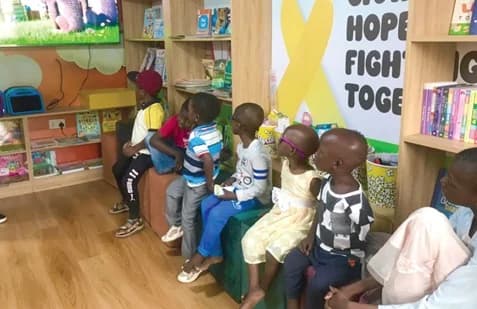
Major strides in cancer advocacy and patient care have been made at the Korle Bu Teaching Hospital (KBTH) following the launch of the 2026 Prostate Cancer Awareness Month and the inauguration of a new learning facility for pediatric patients. Provident Insurance Limited has spearheaded these efforts through strategic partnerships with the Urology and Nephrology Centre of Excellence and the Ghana Association of Urological Surgeons (GAUS), alongside significant support for Lifeline for Childhood Cancer Ghana (LCCG). These initiatives reflect a growing commitment to improving health outcomes through both preventative education and enhanced patient support systems.
The 2026 awareness campaign, themed "Prostate Cancer: Early Detection Saves Lives," seeks to address the critical need for proactive screening among Ghanaian men. By collaborating with GAUS and KBTH experts, Provident Insurance aims to demystify the disease and provide a platform for men to seek medical advice without delay. The initiative emphasizes that early diagnosis is the most effective tool for improving survival rates, highlighting the company's dedication to providing essential support to families and communities across the country while advocating for compassionate clinical care.
Parallel to the adult health campaign, Lifeline Childhood Cancer Ghana has officially opened "Awo’s Nest Learning Hub" at the KBTH childhood cancer unit. Named in honor of Professor Lorna Awo Renner, the hub is designed to offer a child-friendly environment where young patients can read, play, and interact outside of their clinical routines. The facility, which includes a library, play areas, and outdoor spaces, was made possible through the support of various organizations, including Provident Insurance. The hub's primary goal is to foster emotional well-being and social interaction, ensuring that children can maintain aspects of a normal childhood while receiving intensive medical treatment.
These dual initiatives represent a holistic approach to cancer management in Ghana, bridging the gap between clinical treatment and social support. By focusing on both adult awareness and the emotional needs of children, the partners involved are reinforcing a community-centered health model. Moving forward, the success of these programs will depend on sustained public engagement and continued investment in the infrastructure required to support families navigating the challenges of a cancer diagnosis.

