••
Petrosol Lists GH¢100m Bond on GSE as MTN Targets Banking Licenses and Ghana Sets 2027 Digital Asset Roadmap
•3 min read•7 sources
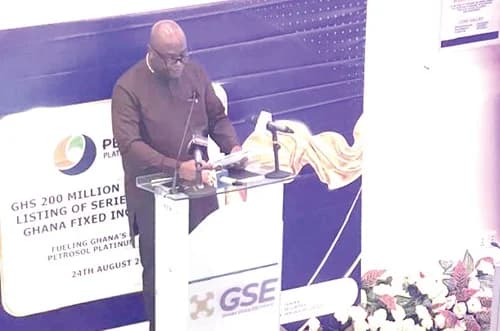
Ghana's financial sector is experiencing a period of robust expansion and regulatory evolution, highlighted by Petrosol Platinum Energy PLC’s successful listing of a GH¢100 million bond on the Ghana Fixed Income Market. The bond, part of a broader GH¢200 million note programme, saw an impressive 178% oversubscription, signaling deep investor confidence in the local energy sector. CEO Michael Bozumbil noted that the proceeds would fuel the company’s expansion from its current 109 fuel stations toward renewable energy initiatives. This capital market success is mirrored by shifts in the telecommunications sector, where MTN Group is actively pursuing banking licenses in key African markets. CEO Ralph Mupita revealed the telecom giant's strategy to move beyond traditional mobile money partnerships toward direct balance-sheet lending and deposit-taking, supported by a new joint venture to build AI-enabled data centers in Nigeria and South Africa. Simultaneously, the domestic banking and currency markets are undergoing significant changes to promote wealth creation and transparency. First National Bank Ghana has introduced a novel financial product with the launch of Investment Gift Cards, available in denominations up to GHS 10,000, aimed at shifting consumer behavior from temporary gifting to long-term investment. However, the retail foreign exchange market remains a point of complexity for consumers. Recent data tracking 23 commercial banks revealed substantial disparities in US dollar pricing; for instance, while First National Bank offered a narrow spread of GH¢0.35, other institutions like CalBank presented wider margins, resulting in cost differences of up to GH¢700 on a $1,000 purchase. As of late August 2026, the Cedi traded at approximately GHS 12.15 at forex bureaus, though interbank rates remained lower at GHS 11.18, prompting experts to urge customers to negotiate and compare rates before transacting. Looking toward the future of digital finance, the Bank of Ghana has announced a roadmap to fully operationalize the Virtual Asset Service Providers Act, 2025 (Act 1154) by 2027. Governor Dr. Johnson Pandit Asiama emphasized that this regulatory framework is essential for fostering innovation while mitigating risks associated with money laundering and consumer protection. In tandem with these regulatory efforts, corporate leaders are addressing the rise of financial fraud through community engagement. Theodocia Naana B. Quartey of QNET has called upon religious leaders to use their influence to protect congregants from scammers misusing corporate brands. As Ghana positions itself as a potential hub for virtual assets in West Africa, the coordination between the Virtual Assets Coordinating Committee and various regulatory bodies will be critical in maintaining financial stability and public trust in the emerging digital economy.
Live rates
Dollar to cedi rate →