••
Bank of Ghana reports cedi selling at GH‵11.67 per US dollar
•2 min read•2 sources
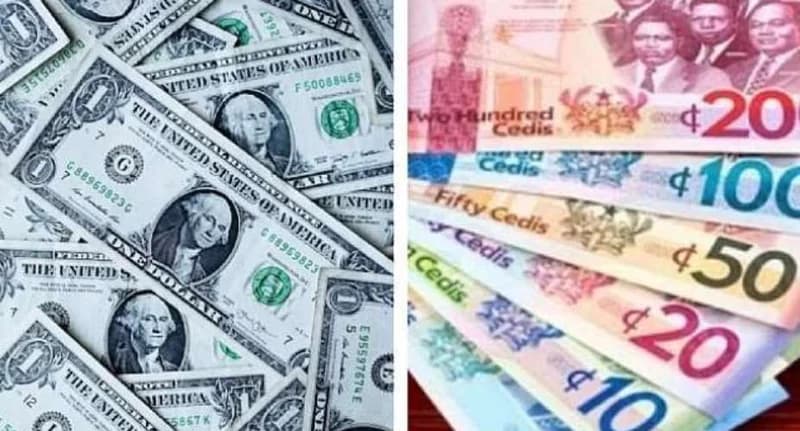
On October 19, 2026, the Bank of Ghana's interbank exchange rates showed the Ghana cedi trading at GH‵11.66 for buying and GH‵11.67 for selling against the US dollar. These latest figures represent a marginal depreciation of the local currency since October 16, when the dollar was selling at an interbank rate of GH‵11.6558. The update provides a crucial benchmark for commercial transactions and financial reporting across the country's banking sector.
According to official data, the exact interbank selling rate for the US dollar was fixed at GH‵11.6708, rising from GH‵11.6558, while the buying rate adjusted from GH‵11.6442 to GH‵11.6592. While the interbank market showed controlled movement, other major international currencies also experienced gains against the cedi. The British pound and the euro followed similar upward trends, reflecting the broader market dynamics affecting the cedi during the second half of October.
In the retail forex bureau market, the cedi faced more pronounced pressure than in the formal interbank sector. On Monday, bureaus were selling the US dollar at an average rate of GH‵12.18, with some retail outlets quoting prices as high as GH‵12.25. The buying rate at these bureaus averaged GH‵11.85. For other major currencies, the average forex bureau rates reached GH‵16.34 for selling the British pound and GH‵13.91 for the euro, with buying rates at GH‵15.42 and GH‵13.09 respectively.
Beyond physical cash exchanges, digital payment platforms and remittance services also updated their conversion figures. Major credit card processors including Visa and Mastercard set their rates for digital subscription payments at GH‵12.56 and GH‵12.58, respectively. Meanwhile, money transfer services like LemFi and Taptap Send continued to offer varying competitive rates for remittances arriving from the United States and the United Kingdom.
These exchange rate developments occur as the Bank of Ghana continues to monitor market liquidity and currency stability. While the interbank rate remains the official standard for the financial industry, the persistent disparity between central bank rates and forex bureau prices highlights the ongoing demand for foreign exchange in the local economy. Market analysts suggest that businesses and consumers should remain mindful of these fluctuations, as they directly impact the cost of imports and international digital services.
Live rates
Pound to cedi rate →