••
Paul Barril, co-founder of French GIGN unit, dies at 80
•2 min read•1 source
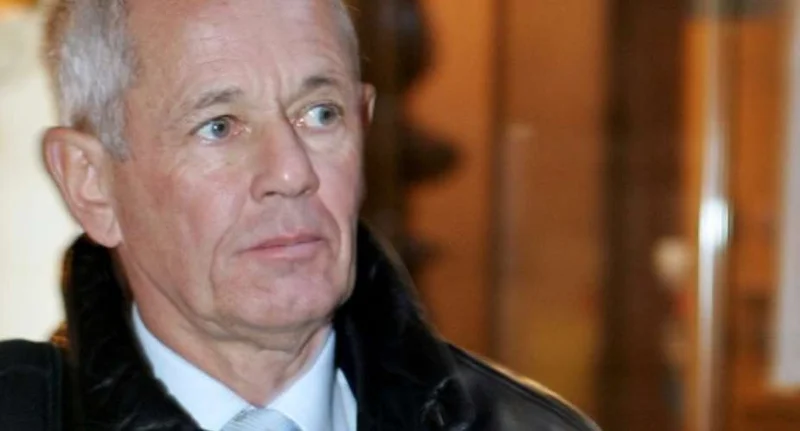
Paul Barril, a prominent and controversial former French police commander who co-founded the elite GIGN counter-terrorism unit, has died at the age of 80. Barril, who had been suffering from Parkinson’s disease, was a pivotal figure in French security circles for decades, known for his involvement in high-stakes operations and his later private security ventures. His death marks the end of a career that spanned from the heights of French tactical excellence to the depths of international legal scrutiny.
During his distinguished but debated tenure in the French military police (Gendarmerie), Barril played a central role in the establishment of the Groupe d'Intervention de la Gendarmerie Nationale (GIGN) in the early 1970s. One of his most notable missions included leading a team to assist Saudi authorities in reclaiming the Grand Mosque in Mecca in 1979 after it was seized by insurgents. This operation cemented his reputation as a master of counter-terrorism and tactical intervention, making him a household name in France and a key asset in the country's security apparatus.
However, Barril’s legacy is heavily clouded by his activities following his departure from official service. He faced persistent allegations regarding his role during the 1994 Rwandan genocide, where he was accused of involvement in arms dealing and the training of forces during the mass killings. While he was the subject of several judicial probes and investigations into his conduct in Rwanda, Barril consistently denied any wrongdoing and was never convicted of the crimes alleged against him.
Beyond the Rwandan controversy, Barril was often at the center of political scandals in France, frequently operating in the shadowy intersection of private security and state interests. His transition from a celebrated commando to a private security consultant brought him both wealth and notoriety across the African continent and Europe. In his later years, his health declined significantly due to Parkinson’s disease, though he remained a figure of intense interest for historians and legal experts investigating France’s historical role in late 20th-century conflicts.

