••
Owura Yeboah urges financial reforms to end power outages
•2 min read•1 source
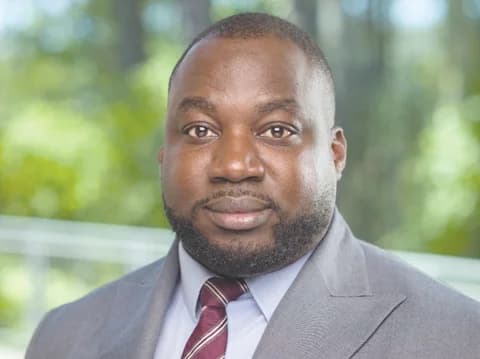
Owura Yeboah, a Netherlands-based Ghanaian engineer and energy infrastructure leader, has called for comprehensive financial reforms in Ghana’s power sector to permanently resolve persistent electricity supply challenges. He argues that achieving financial sustainability is the prerequisite for reliable power, which in turn serves as the engine for national economic growth and the reduction of energy poverty across West Africa. According to Yeboah, the current cycle of intermittent power outages, locally known as dumsor, can only be broken by addressing the underlying fiscal instability of the utility providers.
Yeboah advocates for a "cost recovery" model that ensures utility companies can cover their operational and capital expenses through appropriate pricing. To balance this with social equity, he proposes targeted support mechanisms for low-income consumers rather than broad subsidies that often strain the sector’s finances. He further emphasized the importance of strong payment assurance frameworks to protect investor confidence. By securing these financial structures, he believe Ghana can attract much-needed private capital for long-term infrastructure development and maintenance.
Highlighting a critical oversight in the current system, Yeboah noted that financial losses in the energy sector are often the result of contractual gaps rather than purely technical or technological failures. He suggested that by tightening these legal and financial frameworks, the sector could prevent the leakage of resources that currently hampers efficiency. Drawing on his international experience, he recommended adapting successful foreign investment models to suit Ghana’s specific local conditions, natural resources, and technical skills.
The expert remains optimistic that with the right financial structural adjustments, Ghana can better utilize its existing expertise and resources to secure its energy future. By prioritizing financial integrity and investor protection, Yeboah believes the country could transition from managing intermittent outages to maintaining a robust grid capable of supporting industrialization and sustainable economic stability. The call comes as experts continue to seek lasting solutions to the financial debt overhang within the energy value chain.


