••
Vice President Opoku-Agyemang Advocates for Integrated Greening as Northern Farmers Shape National Climate Policy
•2 min read•2 sources
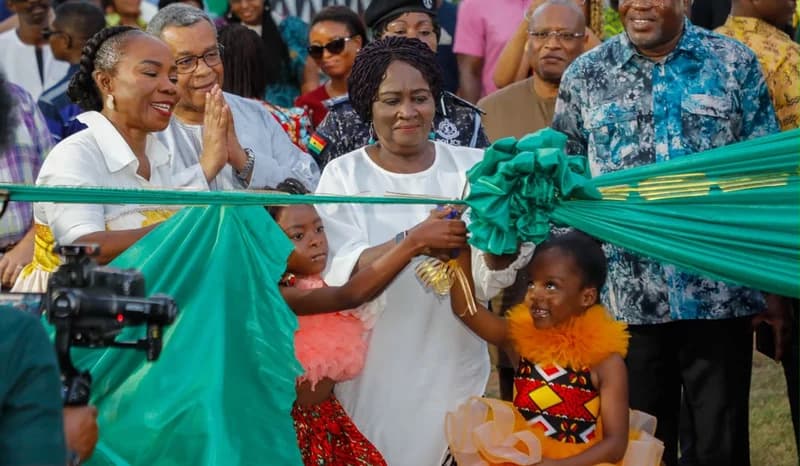
Vice President Prof Naana Jane Opoku-Agyemang has called for a fundamental shift in Ghana's development approach, urging that environmental "greening" become a core component of urban planning rather than a secondary concern. This push for sustainability coincides with a landmark achievement in climate governance, where the experiences of smallholder farmers in Northern Ghana have successfully reshaped the country's National Adaptation Plan (NAP). Together, these developments signal a growing national commitment to integrating local knowledge and ecological health into Ghana’s economic and developmental framework under the current administration.
Speaking at the 14th Ghana Garden and Flower Show, the Vice President emphasized that creating green spaces is essential to mitigating recurring issues like flooding and enhancing local economies. She stressed that the horticultural sector should not be viewed merely as aesthetic but as a viable engine for job creation and export opportunities. By demanding more green spaces, local authorities and businesses can support a horticultural value chain that improves international competitiveness. Prof Opoku-Agyemang further called for a wider focus on training and market access for young entrepreneurs to ensure the sector's long-term sustainability.
Complementing this urban vision is a significant shift in rural policy-making driven by grassroots advocacy. Through the efforts of the NGO Changing Lives in Innovative Partnerships (CLIP) and the Empowerment for Life (E4L) Programme, the frontline realities of Northern Ghanaian farmers are now being recognized at the highest levels of government. In a major win for climate justice, eight out of eleven adaptation strategies proposed by these communities have been integrated into the National Adaptation Plan. This move acknowledges the unique vulnerabilities and expertise of smallholder farmers, women, and youth who are directly grappling with intensifying climate impacts.
These dual efforts—promoting urban horticulture and institutionalizing rural adaptation strategies—highlight a more inclusive approach to climate governance in Ghana. The collaboration between government bodies, civil society, and local communities is seen as a pivotal step toward building national resilience. As the country moves forward, the focus remains on the effective implementation of these strategies to ensure that both urban centers and rural heartlands are equipped to withstand the challenges of a changing climate while fostering sustainable economic growth across all sectors.
