••
Vice President Opoku-Agyemang Advocates for Digital Skills and Financial Literacy Integration in Methodist Women’s Training
•2 min read•2 sources
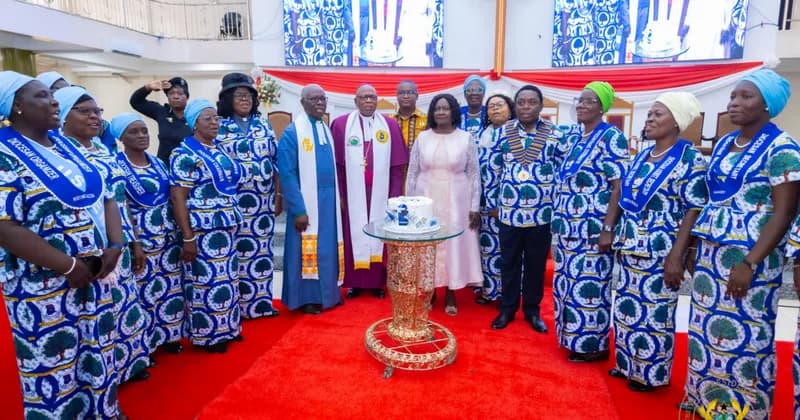
Vice President Professor Naana Jane Opoku-Agyemang has called on the Methodist Church Ghana and other organizations supporting women to modernize their training curricula by integrating digital skills, financial literacy, and entrepreneurship. Speaking at the 3rd Biennial Conference of the Northern Accra Diocese Women’s Fellowship, the Vice President emphasized that such educational shifts are essential for women to adapt to a rapidly evolving job market and an increasingly digital global economy. She stressed that equipping women with these relevant tools is not just a matter of personal development but a critical step toward reducing economic dependence and fostering sustainable independence.
During her address, themed “Walking in the Word, Equipped for Every Good Work,” Professor Opoku-Agyemang highlighted the government's commitment to dismantling barriers that hinder women's economic participation. She pointed to the ongoing expansion of vocational training programs and the strategic establishment of the Women’s Development Bank. This financial institution is designed to provide targeted support and accessible financing for women-led businesses, addressing a long-standing gap in the financial sector that often limits the growth of female entrepreneurs.
The Vice President further commended the Methodist Church for its historical contributions to education, healthcare, and moral formation. She specifically praised the Women’s Fellowship for their swift and compassionate community service following the devastating Kantamanto Market fire, citing it as a prime example of faith in action. By extending knowledge and opportunities to others, she noted, the fellowship continues to play a vital role in the socio-economic fabric of the country.
Closing her remarks, Professor Opoku-Agyemang urged the attendees to support one another in their pursuit of excellence and to maintain their dedication to service. She underscored that when women are economically empowered, the benefits extend to their families and the broader society, driving national growth. The conference served as a platform for discussions on faith and personal development, reinforcing the Church’s mission to equip its members for impactful work in both spiritual and secular spheres.


