••
Vice President Opoku-Agyemang and Prof. Douglas Boateng Champion Local Industrialisation and the "Made in Africa" Agenda
•2 min read•2 sources
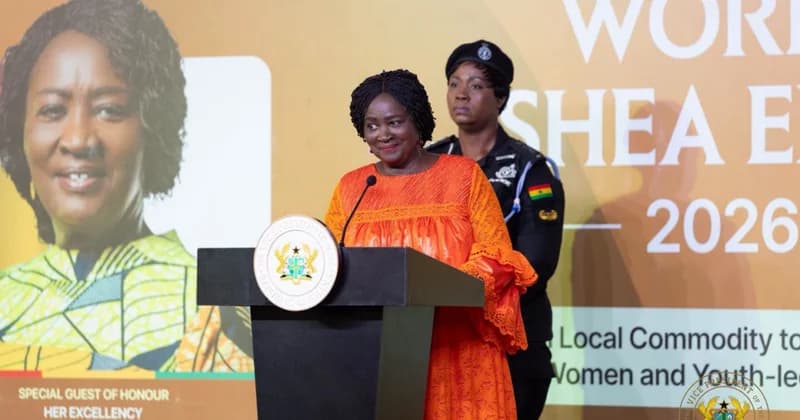
Ghana’s Vice President Jane Naana Opoku-Agyemang and renowned supply chain expert Ing. Prof. Douglas Boateng have issued powerful calls for African-led industrialisation, emphasizing the necessity of local production and self-reliance. While the Vice President focused on the strategic importance of Ghana’s shea industry during an engagement in Tamale, Prof. Boateng addressed a continental gathering in Zambia, advocating for the dismantling of trade barriers and the promotion of a unified "Made in Africa" identity. Together, these perspectives highlight a growing push to retain value within African communities and ensure economic growth is driven by internal manufacturing and innovation.
During her visit to the Futa Community in Tamale, Vice President Jane Naana Opoku-Agyemang participated in the planting of shea seedlings as part of the World Shea Expo. She stressed that the shea sector is vital to Ghana’s economy and called for increased investment in research to develop new varieties that can enhance productivity and shorten gestation periods. To support the women who form the backbone of this industry, the Vice President advocated for stronger collaboration between research institutions and industry players. She specifically highlighted the Women’s Development Bank as a critical tool for overcoming the financing hurdles that often prevent female entrepreneurs from expanding their processing and export capabilities.
Complementing this vision on a continental scale, Ing. Prof. Douglas Boateng delivered a keynote address at Africa’s largest supply chain and industrialisation gathering in Livingstone, Zambia. In his speech, titled "Breaking Down Barriers Through Made in Africa," Prof. Boateng argued that African products should carry a shared identity to compete effectively on the global stage. He urged procurement professionals to recognize their purchasing decisions as pivotal drivers of industrialisation and called for deeper integration that goes beyond mere trade agreements. By removing the systemic barriers that inhibit local production and intra-continental trade, Prof. Boateng believes Africa can achieve true economic independence.
The shared message from both leaders underscores a transition toward high-value production and internal sustainability across the continent. By investing in local resources—such as Ghana’s shea industry—and streamlining supply chains, African nations can reduce their dependence on foreign imports and keep more revenue within local communities. The synergy between government-led initiatives, such as the Women’s Development Bank, and expert-driven strategies for industrial integration suggests a coordinated path forward for African economic sovereignty and long-term prosperity.
