••
Ghana Bolsters Youth Empowerment through Digital Innovation, Education Funding, and Gender-Focused Leadership
•3 min read•7 sources
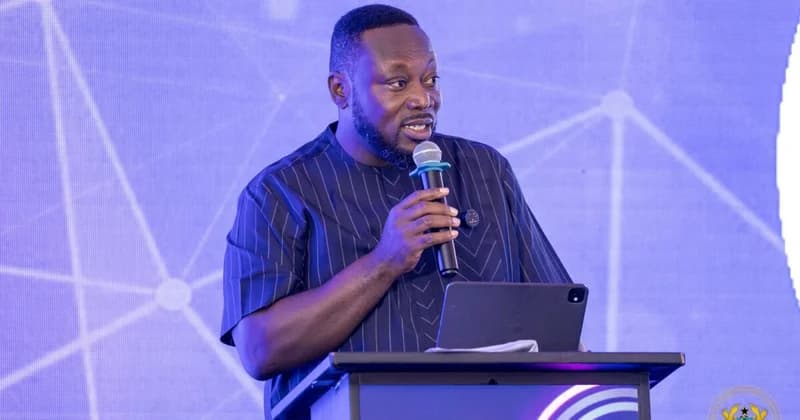
The Ghanaian government and various international partners have intensified efforts to equip the nation’s youth with the skills necessary to navigate a competitive global and continental market. Speaking at the Pan-African AI & Innovation Summit 2026 in Accra, the Minister for Youth Development and Empowerment, George Opare Addo, emphasized the government’s commitment to building a borderless African talent ecosystem. Key to this vision is the introduction of the National Youth Tracker Platform and the YouthXplore App, which utilize data and Artificial Intelligence (AI) to connect young Ghanaians with employment pathways and skill-building opportunities. Minister Opare Addo underscored the importance of aligning educational curricula with market demands to ensure that graduates are prepared for the digital economy under the African Continental Free Trade Area (AfCFTA) framework.
Complementing this national digital drive, CAMFED Ghana has focused its efforts on removing barriers for young women in higher education. During the 2026 Tertiary Convening orientation at the Kwame Nkrumah University of Science and Technology (KNUST), Fairuza Abdul-Rahman Safian, Executive Director of CAMFED Ghana, addressed 791 young women receiving support through the CAMFED Tertiary Scholarship Programme. Safian urged the scholars to defy societal stereotypes and cultivate leadership and entrepreneurship skills alongside their academic pursuits. This call for targeted empowerment was echoed by Dr. Wilfred Ochan, UNFPA Country Representative, who advocated for market-linked skills training for vulnerable women. Speaking at The Image of a Woman Conference, Dr. Ochan urged stakeholders to ensure that vocational training translates into sustainable livelihoods by fostering market access for products made by women.
The importance of inclusive education was further highlighted by a successful community-driven campaign for 17-year-old Priscilla Nana Ama Samson, a student living with cerebral palsy. Following a public appeal spearheaded by JoyNews, Ghanaians raised approximately GH¢40,000 to cover her senior high school expenses. Priscilla, who had previously feared that financial constraints would end her academic journey, has now resumed her classes. Their family expressed profound gratitude for the assistance, which marks a significant victory for inclusive education in Ghana by relieving the family of a heavy financial burden and allowing Priscilla to learn alongside her peers.
These combined efforts—ranging from high-level digital policy and international scholarship programs to grassroots community mobilization—illustrate a multi-faceted approach to education and youth development in Ghana. By integrating AI-driven employment tools, dismantling gender stereotypes, and providing direct financial support for vulnerable students, stakeholders are working to create a more resilient and equitable educational landscape. The overarching focus remains on ensuring that every Ghanaian youth, regardless of gender or physical ability, has a clear pathway to contribute to the nation’s economic transformation.


