••
National Road Safety Authority moves to clear traders from Accra pavements
•2 min read•2 sources
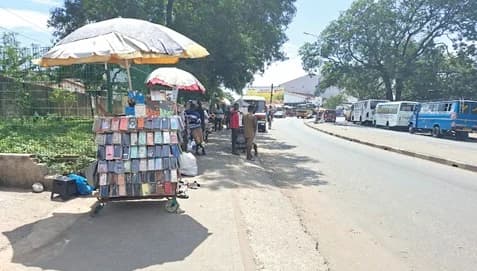
The National Road Safety Authority (NRSA) has initiated a series of stakeholder engagements aimed at removing petty traders and hawkers who have encroached upon pedestrian pavements and roadways across the Greater Accra Metropolitan Area. This intervention comes in response to growing concerns that illegal vending is significantly contributing to road traffic accidents, particularly pedestrian knockdowns. By obstructing designated walkways, these traders force pedestrians into the path of oncoming vehicles, a situation further exacerbated by malfunctioning traffic lights and poor driver behavior in high-traffic zones.
The encroachment is most prevalent in several critical hubs, including the Central Business District of Accra, Mallam Market, the Kaneshie enclave, and Agbogbloshie. Other major thoroughfares, such as the Graphic Road and Odorkor Tipper, have also seen a surge in merchant displays, particularly during nighttime hours. Beyond endangering pedestrians, the presence of traders on road shoulders forces vehicles to park in active traffic lanes, leading to severe congestion and increasing the risk of multi-vehicle collisions.
Statistical data highlights the gravity of the situation, with the NRSA reporting that pedestrian knockdowns account for 33% of all road traffic fatalities in Ghana. Since 1991, more than 20,000 deaths have been attributed to such incidents. To address this, new regulations have been introduced that explicitly prohibit unauthorized vending on roadways and walkways. Under these laws, violators found obstructing public infrastructure face strict penalties, including the possibility of heavy fines or imprisonment.
While the NRSA is collaborating with local assemblies and the police to develop and implement removal strategies, the authority acknowledges that enforcement remains a persistent challenge. Efforts to clear these areas are often hindered by resource limitations and political interference. Moving forward, the NRSA emphasizes that a comprehensive and sustained enforcement regime, free from external pressure, is essential to safeguarding pedestrians and restoring order to the capital’s road infrastructure.


