••
NPP Sounds Alarm Over Energy Debt Crisis Amid Sweeping Mining and Transport Sector Reforms
•3 min read•5 sources
The opposition New Patriotic Party (NPP) has issued a stern warning to President John Mahama’s administration, cautioning that current fuel price interventions could trigger a severe debt crisis within Ghana’s energy sector. According to the NPP’s Policy Committee on Energy, the government’s GH¢2-per-litre diesel intervention is being funded by the suspension of vital statutory margins rather than tax cuts. This strategy is reportedly costing the downstream sector approximately GH¢500 million monthly, with accumulated losses already estimated at GH¢2.076 billion. The NPP argues that this approach mirrors past financial mismanagement and urges the government to restore these margins while suspending fuel taxes to mitigate the impact of a weakening cedi and rising global crude prices.
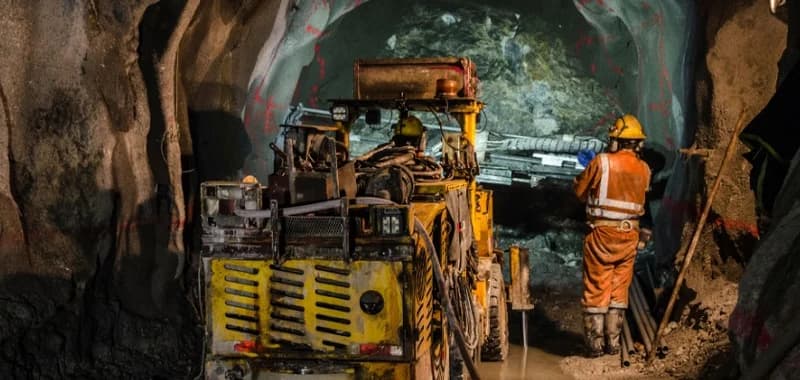
Simultaneously, the mining sector is undergoing a significant regulatory overhaul as the Minerals Commission pushes toward a December 31, 2026, deadline for local content compliance. New rules mandate that all surface mining operations must be managed by Ghanaian-owned firms, while underground operations must establish joint ventures with at least 50% local ownership. To support this transition and protect labor rights, the Commission is developing minimum wage and tender benchmarks designed to prevent unsustainable underbidding. While the Ghana Chamber of Mines supports measures to curb unhealthy competition, it remains opposed to mandatory contract mining, highlighting a policy tension between state-led local participation goals and private sector preferences.
The transport sector is also facing major changes under the Road Traffic Regulations, 2026 (L.I. 2519) and the Road Traffic (Amendment) Act, 2025. These laws introduce digital enforcement and specific regulations for commercial motorcycles and tricycles. However, the Ghana Private Road Transport Union (GPRTU) has voiced strong opposition to several provisions, particularly the requirement for multiple driver’s licenses which they claim will impose an excessive financial burden on commercial operators. Furthermore, the GPRTU is calling for a review of a clause that permits the auctioning of broken-down vehicles after 21 days in holding, arguing that owners should be allowed to reclaim their property upon paying necessary fees rather than facing the loss of their livelihood.
These diverse developments reflect a broader effort by the Mahama administration and state regulators to modernize Ghana’s infrastructure and increase national stakes in key industries. However, the combined pressure of new licensing costs, aggressive local content deadlines, and fuel price volatility presents a complex challenge for the government. As the end-of-2026 deadlines approach for both mining and transport protocols, the administration must balance its modernization agenda against the mounting economic concerns of industry players and the sustained political scrutiny of the opposition.
Related topic
NPP (New Patriotic Party): Latest News →Live rates
Dollar to cedi rate →

