••
Private Sector Partnerships and Industrial Innovation Bolster Ghana’s Healthcare Infrastructure and Access
•2 min read•3 sources
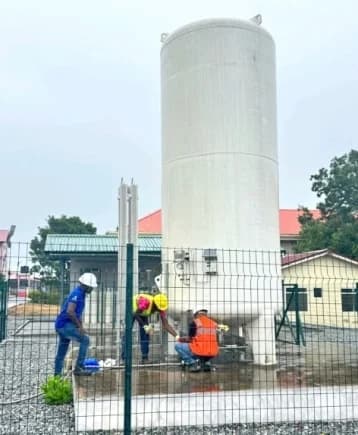
Ghana’s healthcare landscape is seeing a significant transformation through a series of private sector investments and industrial advancements aimed at improving specialized care and medical supply chains. Central to these developments is a major contribution to the Ghana Medical Trust Fund, popularly known as Mahama Cares. During the Trust Fund's first anniversary celebrations, Nilex Corp Company Limited donated medical equipment valued at US$259,000. This substantial contribution includes handheld ultrasound machines, portable X-ray units, oxygen concentrators, and three OXUS oxygen plants, all designed to enhance the fund’s capacity to treat chronic non-communicable diseases and expand access to essential services across the country.
In a parallel effort to decentralize specialized medical services, the Council of Bono and Ahafo Associations of North America (COBAANA) has commenced construction on the COBAANA Medical Centre. This project, which gained significant momentum at the group’s 17th Annual Convention in Chicago, aims to provide vital dialysis treatment to patients in the Bono, Bono East, and Ahafo regions. Supported by a US$10,000 donation from Doormaster CEO Kodjo Botchway, the initiative addresses the critical challenge of patients having to travel long distances for renal care. Dr. Degraft Gyan K. Kwafor, Chairman of COBAANA, described the start of construction as a major milestone for community well-being in the region.
Simultaneously, a breakthrough in medical supply logistics has been achieved by Indo-Ghana Industries Limited, which has launched the local production and supply of liquid medical oxygen. Moving away from traditional, less efficient cylinder-based distribution, the company has transitioned to a stable storage-based method using cryogenic systems. Lekma Hospital in Teshie became the first facility to benefit from this new system, which allows hospitals to maintain a consistent oxygen supply for up to three months. Indo-Ghana Managing Director Varun Tyagi noted that this shift minimizes the transportation challenges and high costs that were particularly evident during the COVID-19 pandemic.
These collective initiatives represent a multifaceted approach to strengthening the national health system. By combining high-tech equipment donations for the Mahama Cares fund, regional infrastructure projects for specialized care like dialysis, and the modernization of essential medical gas supplies, both private and non-profit sectors are filling critical gaps in service delivery. These advancements not only ensure more reliable treatment for patients but also promote long-term sustainability by reducing dependency on emergency deliveries and centralized facilities in the nation's capital.

