••
NDPC urges TVET institutions to integrate AI and digital literacy
•2 min read•1 source
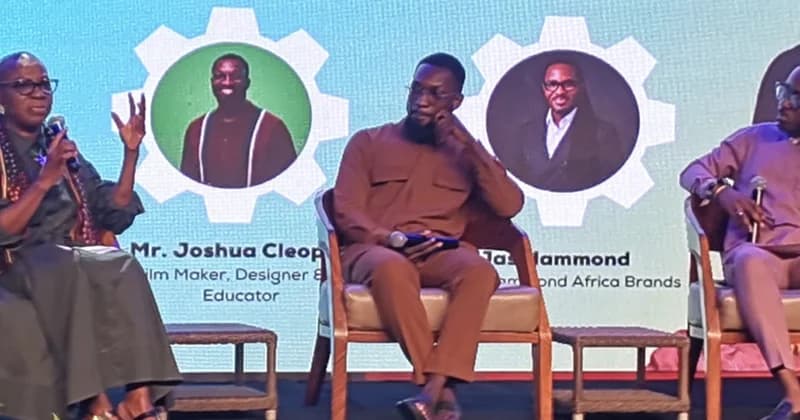
The National Development Planning Commission (NDPC) has formally called for the integration of Artificial Intelligence (AI) and digital literacy into Technical and Vocational Education and Training (TVET) curricula across Ghana. Speaking at the Sixth Annual Precision Quality Convening in Accra, Dr. Audrey Amoah emphasized that these skills are essential for the youth to leverage emerging opportunities within the global digital economy. The event, which focused on human capital development, sought to pivot the national perspective from viewing education merely as an input to treating human capital as a vital productive asset for national growth.
During the discussions, officials highlighted the urgent need to bridge the gap between existing policies and institutional frameworks to foster greater productivity. Youth Development Minister George Opare Addo reiterated the government’s commitment to this transformation, noting that enhancing the skill sets of young Ghanaians remains a priority. He stressed that success in this area requires robust partnerships with the private sector to ensure that vocational training aligns with the practical needs of the modern job market, moving beyond traditional instruction to include high-tech competencies.
The push for digital integration is part of a broader effort to refine Ghana’s Human Capital Development Strategy. Constance Swaniker, President of the Design & Technology Institute (DTI), pointed out that the strategy must be strengthened and finalized before it is presented to the Cabinet for approval. By embedding AI and digital competencies into TVET, stakeholders believe the country can better equip its workforce to navigate a rapidly changing employment landscape, ultimately driving long-term economic stability and technological innovation.

