••
Health Crisis Looms in Nanton Zuo as Community Relies on Contaminated Dam After Failed Water Projects
•2 min read•1 source
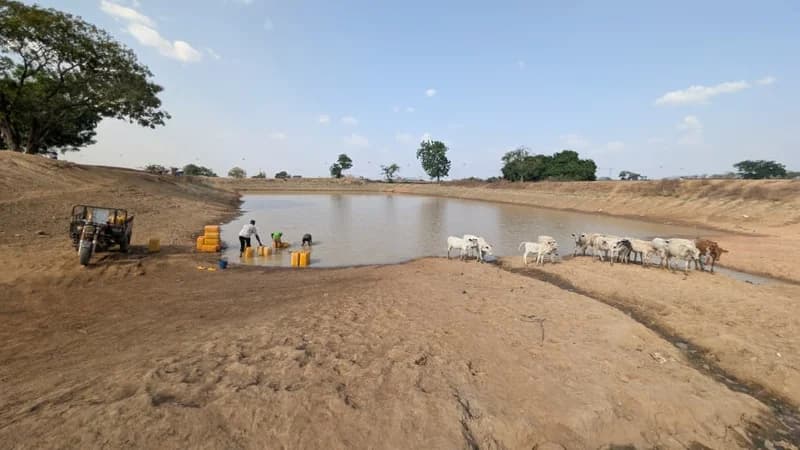
Residents of Nanton Zuo in the Northern Region are facing an escalating health crisis as they remain dependent on a heavily contaminated dam for their daily water needs. More than a year after a JoyNews investigation exposed that the community's primary water source carries contamination levels far exceeding safety standards, little has changed for the growing population. Despite several attempts to find alternative solutions, the community continues to consume water that poses a significant and immediate threat to public health.
The search for sustainable alternatives has been fraught with failure. Multiple attempts to drill boreholes in the area have either yielded no water at all or produced water that is completely unsuitable for human consumption. This string of failed interventions has forced the community back to the original dam, which is now the focus of a proposed rehabilitation project. While the planned rehabilitation aims to increase the dam’s storage capacity and implement measures to reduce contamination, community leaders remain cautious. They emphasize that simply increasing the volume of water is insufficient if the safety and quality of the supply cannot be guaranteed for the residents.
The water crisis in Nanton Zuo is exacerbated by broader infrastructure failures in the region. A larger, more ambitious water project intended to provide a long-term, sustainable supply for the district remains stalled, fueling skepticism among local residents. With the administration of President John Mahama having taken office in January 2025, there is renewed pressure on the government to address the infrastructure challenges and stalled projects left by the previous administration. Residents have expressed deep concerns that promises of future relief are becoming increasingly unreliable as their immediate needs go unmet.
As the population in Nanton Zuo continues to grow, the strain on the contaminated dam has reached a breaking point. The persistence of this water crisis highlights a significant gap in rural health infrastructure and the urgent need for a multi-faceted approach that goes beyond temporary fixes. Without immediate action to either properly treat the existing dam or successfully complete the regional water project, the people of Nanton Zuo remain trapped in a cycle of water-borne health risks that threaten the stability and well-being of the entire community.
Related topic
John Mahama: Latest News & Updates →
