••
Dr. Nana Asantewa Afadzinu and Gabby Otchere-Darko Champion African Agency and Economic Integration at Accra Dialogues
•2 min read•2 sources
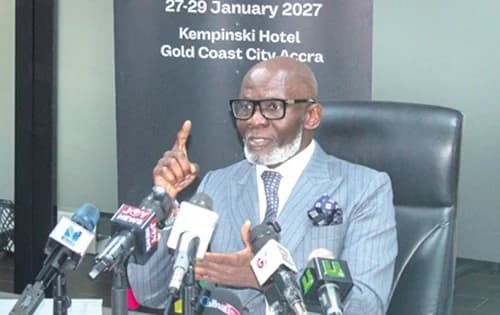
Activists and leaders gathering in Accra have issued a powerful call for Africa to transition from a state of dependency to one of self-determination. Amidst changing global dynamics, experts such as Dr. Nana Asantewa Afadzinu and Gabby Asare Otchere-Darko are urging the continent to reclaim its agency by prioritizing local ownership, indigenous knowledge, and the removal of barriers to continental integration. These discussions emphasize that while Africa possesses the resources and talent necessary for growth, it must now move beyond signing treaties to active implementation and the rejection of external dictates that do not align with community needs.
During a development conference in the capital, Dr. Nana Asantewa Afadzinu of the West Africa Civil Society Institute (WACSI) and other participants highlighted a critical need to reassess traditional donor-recipient models. The dialogue underscored instances where African communities have begun rejecting funding that fails to address their specific priorities. Madam Nafisa Toussaint and other speakers stressed that development should be authored by those it affects, leveraging local knowledge and innovative financing models to ensure dignity and accountability. The consensus was clear: Africa must stop being a subject in global development discussions and start acting as the primary decision-maker in its own narrative.
Parallel to the development narrative, the launch of the Africa Prosperity Dialogue brought focus to the structural barriers hindering the continent’s economic unity. Gabby Asare Otchere-Darko, Founder and Executive Chairman of the Africa Prosperity Network, emphasized that treaties like the Abuja Treaty and the AU Free Movement Protocol remain ineffective without practical ratification and implementation. He called for seamless cross-border payments and the harmonization of laws to empower small and medium enterprises (SMEs). Otchere-Darko specifically urged West African nations, including Ghana, to lead the charge in establishing mobile money interoperability, which is essential for a functional single African market.
The collective message from these high-level engagements in Accra points toward a transformative shift in African governance and economic strategy. By focusing on prosperity with dignity, leaders are advocating for equitable partnerships rather than subservient relationships with international actors. The path forward involves a dual approach: asserting sovereignty over internal development priorities while simultaneously tearing down the borders that stifle intra-African trade. As these dialogues conclude, the expectation is for African states to demonstrate political will through the ratification of existing protocols, ensuring that the continent's wealth of resources translates into tangible benefits for its people.


