••
Nana Aba Appiah Amfo calls for oral exams to counter AI-generated essays
•2 min read•2 sources
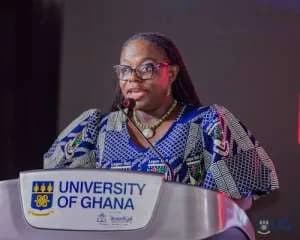
The Vice-Chancellor of the University of Ghana, Professor Nana Aba Appiah Amfo, has called for a significant shift in university assessment methods in response to the rise of artificial intelligence (AI). Speaking at the University of Lagos International Week 2026, she emphasized that the ability of AI tools to generate complex essays requires institutions to move away from traditional written examinations. She argued that universities must now prioritize evaluating a student's critical reasoning, practical skills, and genuine application of knowledge rather than mere output speed.
To address the challenges posed by AI-generated answers, Professor Amfo advocated for the integration of oral examinations, project-based assessments, and practical demonstrations into the academic curriculum. She asserted that these methods allow educators to better gauge a student's actual understanding and critical thinking capabilities. By shifting the focus toward interactive and evidence-based testing, she maintained that universities can better ensure that graduates are capable of the critical evaluation of technology and its role in society.
The Vice-Chancellor also urged for broader curriculum changes, including the integration of digital literacy and an ethical understanding of technology. She highlighted the potential for linguistic inequalities in existing AI tools and called for the inclusion of African languages and perspectives in the development of these systems. Furthermore, she discussed the importance of fostering interdisciplinary learning and supporting students' entrepreneurial skills to ensure they remain competitive and adaptable in a tech-driven global economy.
In her concluding remarks, Professor Amfo emphasized the need for inclusive teaching practices to ensure all students can succeed in academia regardless of their technological access. She framed the rise of AI not only as a challenge but as a catalyst for long-overdue educational reform that encourages more practical and critical engagement with knowledge. By adapting pedagogical approaches now, she believes universities can better align learning outcomes with the demands of the modern world.

