••
University of Ghana secures 96,000 Gemini AI licenses from Google
•2 min read•1 source
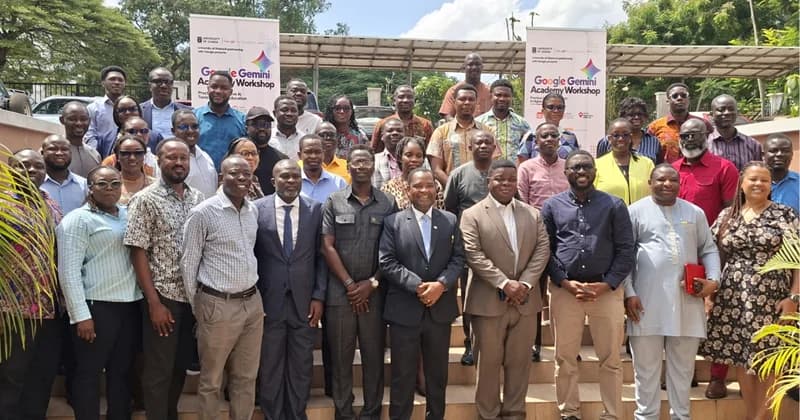
The University of Ghana (UG) has entered into a strategic partnership with Google to provide more than 96,000 "Gemini for Education" licenses to its students and faculty members. This initiative is designed to bolster digital skills and artificial intelligence (AI) competency across the university community. By integrating these advanced tools into the academic environment, the institution seeks to ensure that its graduates are adequately prepared for the rapidly shifting demands of the global labor market, where AI proficiency is increasingly becoming a prerequisite for employment.
During a recent training workshop, Mr. Emmanuel Adeniyi, Google’s lead for West and Central Africa, highlighted the critical need for higher education institutions to assist students in adapting to technological advancements. He noted that the partnership is part of a broader effort by Google to roll out educational tools across Africa, specifically focusing on advancing AI fluency in the classroom. The licenses will allow users to leverage Google's AI capabilities for research, learning, and administrative efficiency, positioning the university as a leader in digital transformation within the sub-region.
While the adoption of AI offers significant benefits, University of Ghana officials have emphasized the importance of its responsible use. Professor Sandow Mark Yidana stressed that the integration of AI tools must align with the university’s established academic integrity standards and ethical guidelines. He cautioned that while the technology can enhance productivity and learning, it must be deployed in a manner that preserves the rigor and honesty of academic work. This balanced approach is intended to harness the power of AI while safeguarding the reputation of the institution's academic qualifications.
Beyond the distribution of licenses, the partnership extends into specialized technological development aimed at enhancing educational accessibility. Google is collaborating with the University of Ghana and the Ghana Digital Innovation Hub to improve access through speech recognition technology tailored for local languages. This broader initiative underscores a commitment to making digital tools more inclusive and culturally relevant. By combining AI fluency with localized technology solutions, the University of Ghana aims to bridge the digital divide and foster an environment of innovation that resonates with the local context.


