••
MTTD to Launch TraffiTech and New Traffic Regulations to Curb Rising Road Crashes
•2 min read•5 sources
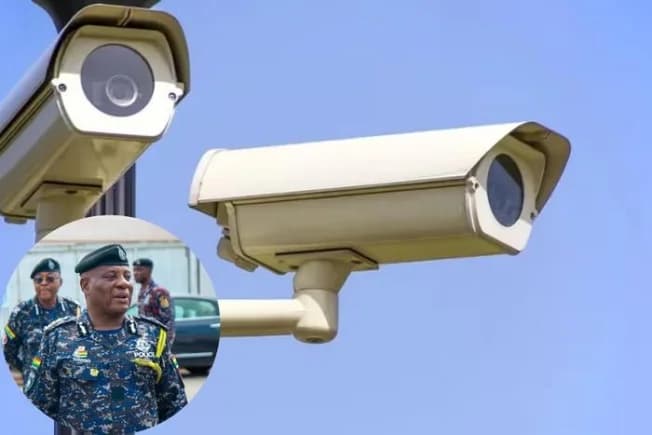
The Motor Traffic and Transport Department (MTTD) of the Ghana Police Service is set to launch "TraffiTech," a new automated traffic enforcement system, on October 1, 2026. This initiative comes as part of a broader push to modernize road safety and address a worrying trend in traffic incidents. According to MTTD statistics, nearly 9,000 preventable road crashes occurred between January and August 2026 alone, involving 15,000 vehicles and resulting in over 900 fatalities and 11,000 injuries. ACP Alexander Kwaku Obeng emphasized that the introduction of automated enforcement is a critical step toward collective responsibility and improving safety on Ghana's roads.
The rollout coincides with the enforcement of the Road Traffic Regulations, 2026, which introduce stricter standards for vehicle maintenance and driver behavior. Key provisions include a ban on tyres older than six years, specific restrictions on windscreen tints, and mandatory reflective markings on vehicles. Additionally, the regulations prohibit parking on road verges and place greater obligations on vehicle owners regarding seat belt usage and registration. ACP Obeng noted that these measures are designed to ensure that all vehicles meet essential roadworthy certifications, thereby reducing the likelihood of mechanical failures contributing to accidents.
TraffiTech is intended to complement, rather than replace, manual traffic enforcement. While the digital system will automatically detect offenses such as speeding and send electronic notices to offenders via SMS, police officers will still be required for incidents like drunk driving or managing road crashes. Private legal practitioner Selorm Adonoo highlighted that this automation would significantly ease congestion at district courts by handling routine traffic cases digitally. However, serious or repeat offenders will still face court proceedings, which could result in the revocation of their licenses.
Beyond automation, the legal framework also emphasizes transparency and accountability between motorists and law enforcement. Adonoo advocated for the legal right of motorists to film police searches, arguing that video evidence helps resolve disputes and protects both parties from allegations of misconduct. This focus on transparency, combined with new licensing for commercial motorcycles and improved traffic light maintenance, represents a comprehensive effort to transform Ghana’s traffic landscape. As the October 1 deadline approaches, the MTTD is calling for cooperation from local authorities and the public to ensure the successful implementation of these safety-driven reforms.


