••
MTN Ghana, Telecel, and Goal Telecom Advance in 5G Spectrum Race as Visa Bolsters Financial Security
•2 min read•3 sources
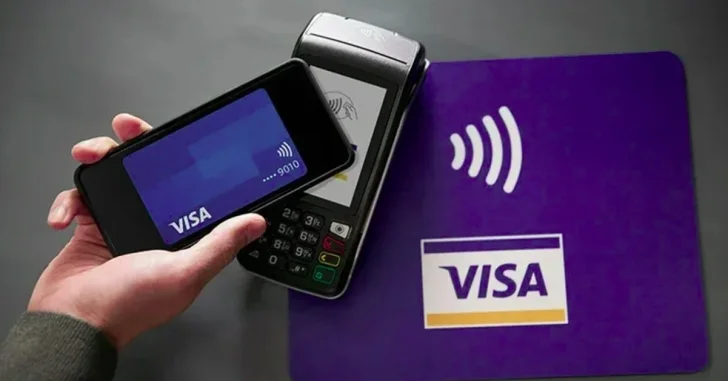
Ghana’s digital landscape is poised for a significant transformation following the National Communications Authority’s (NCA) announcement that three major telecommunications firms have qualified for the next stage of the 5G spectrum licensing process. Scancom Plc (MTN Ghana), Ghana Telecommunications Company Limited (Telecel Ghana), and Goal Telecommunications Ltd successfully navigated the technical and eligibility reviews for the 700 MHz, 2.3 GHz, and 3 GHz bands. This qualification marks a major milestone in the government's strategy to deploy advanced mobile communications infrastructure across the country, while Infrava Ltd was the sole applicant disqualified during the rigorous evaluation phase. The process now moves to a critical commercial stage, where the NCA will open and rank the “Best Price Offers” submitted by the three qualified contenders. These spectrum bands are essential for providing the high-speed data and low-latency connectivity required for 5G services, which are expected to drive innovation in sectors ranging from healthcare to manufacturing. By narrowing the field to these three established players, the NCA aims to ensure that the eventual license holders possess the technical capacity and financial stability to manage the country’s most valuable telecommunications assets. Parallel to these infrastructure gains, global payment leader Visa has launched an enhanced version of its A2A Protect solution to strengthen the security of the financial ecosystem. This technology, which utilizes artificial intelligence and an integrated fraud score via Featurespace technology, allows banks to detect and prevent account-to-account (A2A) fraud in real-time before funds leave customer accounts. As digital connectivity expands through the NCA’s spectrum initiatives, the volume of electronic transactions is predicted to surge globally, with account-to-account transfers alone expected to exceed 5.8 trillion by 2028. Visa’s latest tool aims to provide a safety net for this growth, reporting a 75% increase in fraud detection capabilities during early deployments. These twin advancements in telecommunications and financial technology signal a robust period of growth for Ghana’s business sector. While the 5G rollout will provide the necessary high-speed infrastructure for a modern economy, enhanced security measures like those introduced by Visa ensure that the digital marketplace remains safe for consumers and businesses alike. Together, these developments represent a dual-track approach to modernization—expanding the reach of the digital world while simultaneously hardening its defenses against emerging cyber threats.


