••
Rev. Mercy Motte-Kpegla and Methodist Men’s Fellowship Advocate for Child Safety and Institutional Development
•2 min read•7 sources
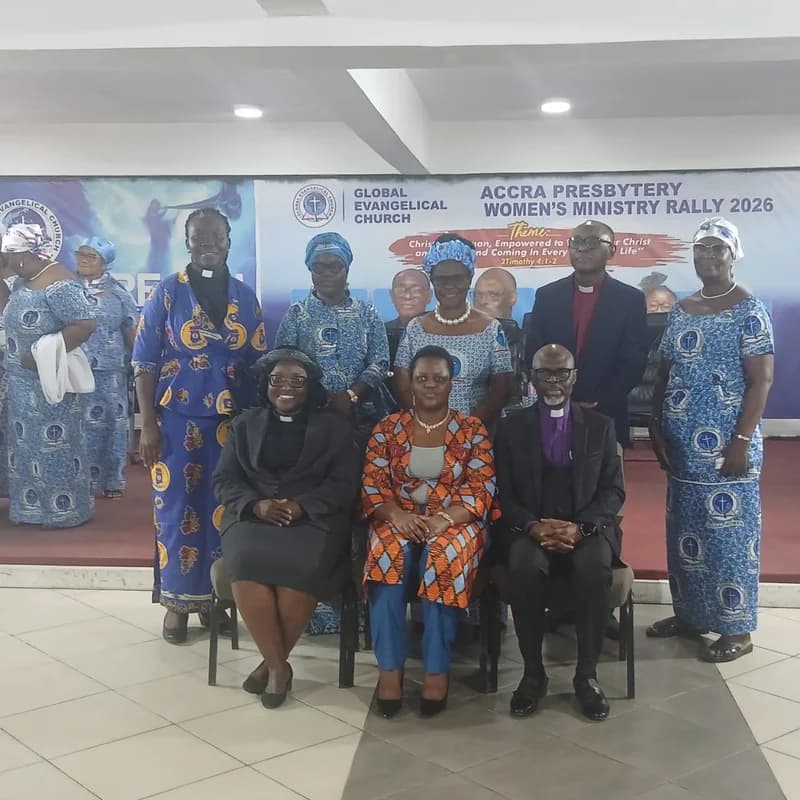
Religious leaders in Ghana have issued urgent calls for enhanced social protection and institutional growth during major church conferences held in September 2026. Reverend Mrs. Mercy Motte-Kpegla, Coordinator of the Accra Presbytery Women’s Ministry of the Global Evangelical Church, used the 2026 Women’s Ministry Rally to demand greater vigilance against child exploitation. Simultaneously, the Association of Methodist Men’s Fellowship (AMMF) convened in Tema for its 14th Biennial Delegates Conference, reporting substantial financial growth and the advancement of key infrastructure projects aimed at community and church development.
Addressing the Accra Presbytery Women’s Ministry Rally, Rev. Motte-Kpegla emphasized that Christian faith must be translated into active social advocacy, particularly in the realm of child safety. Citing a 2026 study that revealed alarming rates of sexual abuse among children aged 8 to 17, she urged women to move beyond the church walls to become proactive witnesses for Christ in their communities. She called for the establishment of robust child protection systems and urged families and religious organizations to report incidents of abuse rather than remaining silent, highlighting that creating a supportive environment for survivors is both a spiritual and social imperative.
In a parallel development in Tema, the Methodist Men's Fellowship showcased the results of disciplined institutional management. Connexional Chairman Mr. Ebenezer Anowih reported a 28% increase in funds generated during the Men’s Day celebrations, bringing the total proceeds to GH¢964,670.77. These funds are slated to support strategic investments and capital projects, including the completion of the 40th Anniversary Pavilion. As the conference reviewed its by-laws and prepared for leadership transitions, Mr. Anowih emphasized the need for dedicated leadership to sustain the association's growth and its ability to contribute to national development.
These gatherings reflect a broader trend of Ghanaian faith-based organizations integrating spiritual teaching with practical community leadership and social reform. By addressing both the physical safety of the most vulnerable and the financial sustainability of their institutions, these religious bodies are positioning themselves as critical stakeholders in the country's social fabric. The calls for multi-sectoral collaboration in child protection and the focus on transparent financial governance suggest a maturing approach to the role of the church in modern Ghanaian society.
