••
Sheila Minkah-Premo calls for sexual abuse rules on school signboards
•2 min read•1 source
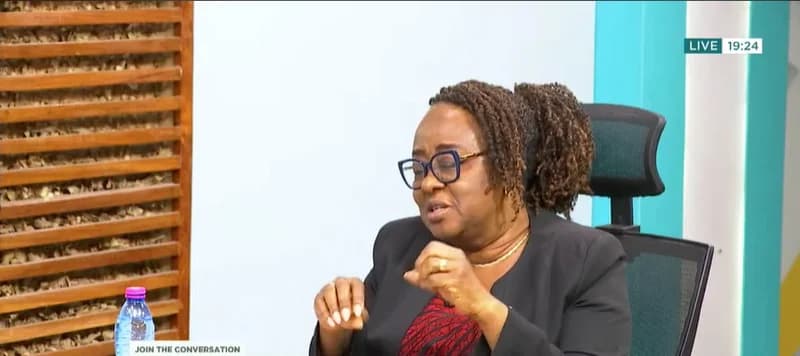
Sheila Minkah-Premo, the President of the Women Forum of the Ghana Bar Association, has called for a radical shift in how educational institutions handle sexual abuse prevention. Speaking on Channel One TV, she advocated for schools to move beyond internal rulebooks and instead display clear, public notices regarding sexual abuse prohibitions, the resulting sanctions, and the specific channels available for reporting such incidents. Her proposal aims to create a more transparent environment where students are fully aware of their rights and the protections available to them, ensuring that the rules governing conduct are visible to everyone on campus. Under the proposed plan, schools would be required to install large signboards at their main entrances and other prominent locations. These signboards would detail what constitutes prohibited conduct, the penalties for offenders, and step-by-step instructions on how to report abuse. Minkah-Premo argued that the current system, which often relies on printed school rules that students may not frequently consult, is inadequate for addressing the gravity of sexual harassment. By placing this information in public view, she believes schools can foster a culture of accountability and deter potential perpetrators while empowering victims. This call for action follows recent allegations of sexual harassment involving students at the Obuasi Senior High Technical School, which have highlighted significant gaps in current reporting mechanisms. Minkah-Premo pointed out that students often face immense challenges when attempting to report abuse, particularly when the alleged perpetrator is a person of authority within the institution. The fear of victimisation or being ignored often keeps victims silent. Publicly displayed reporting channels would provide students with a clear path to seek justice without the ambiguity that often surrounds internal administrative processes. Beyond the immediate implementation of signboards, Minkah-Premo urged for a broader strengthening of child protection measures across all educational levels in Ghana. She emphasized that protecting children from exploitation and harassment requires a proactive approach that informs every member of the school community about the consequences of misconduct. By standardizing these public notices, she hopes to ensure that every student, regardless of their location, has access to the same level of protection and information, ultimately creating a safer learning environment for all.
