••
Ghana Education Service bans teachers from using students for chores
•2 min read•2 sources
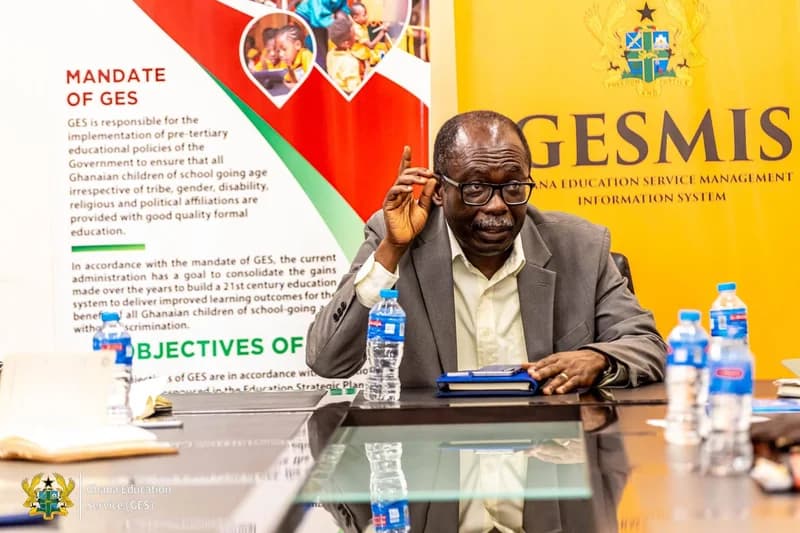
The Ghana Education Service (GES) has officially prohibited teachers and headteachers from inviting students to their private bungalows to perform household chores. This directive, announced by the GES Director-General, Professor Ernest Kofi Davis, is a strategic measure aimed at curbing sexual misconduct and ensuring the safety of students within the country's educational institutions. The move reinforces the existing GES Code of Conduct, which strictly forbids staff from engaging students in domestic tasks outside the formal learning environment.
According to Professor Davis, this decision is a direct response to recent high-profile allegations of sexual abuse that have surfaced in schools across Ghana. Specifically, the directive follows a distressing case at Obuasi Senior High Technical School (SHTS), where a headmaster was accused of raping 19 students. The GES leadership believes that removing the opportunity for students to be in private residential spaces with staff members will significantly reduce the risk of grooming and exploitation. By strictly enforcing these boundaries, the service aims to create a safer atmosphere for both students and educators.
To ensure nationwide compliance, the GES will issue formal communication to all regional directors of education, who are tasked with overseeing the implementation of this directive in their respective jurisdictions. Senior high schools, in particular, have been mandated to strictly adhere to the professional standards outlined in their governing documents. Professor Davis emphasized that the practice of using students for chores in bungalows is not only a violation of the Code of Conduct but also a compromise of the professional relationship that should exist between a teacher and a student.
The enforcement of this ban reflects a broader commitment by the GES to prioritize student welfare and restore public confidence in the school system. Moving forward, the service has indicated that any staff member found in breach of this directive will face disciplinary actions as stipulated by the Code of Conduct. By reminding staff of their ethical obligations and formalising the prohibition of domestic labor by students, the GES hopes to eliminate the vulnerabilities that have historically led to instances of abuse in the nation's secondary schools.
Related topic
Ghana Education Service (GES): Latest News Today →

