••
Millet: The Ancient, Climate-Resilient Grain Powering Global Food Security
•2 min read•2 sources
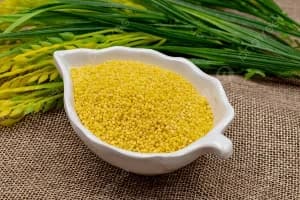
For thousands of years, millet has served as a foundational cereal grain for civilizations across the globe. Characterized by its small-seeded structure, this ancient crop continues to play a vital role in the agricultural landscape, particularly within developing nations. As global food systems face increasing pressure from environmental changes, millet is re-emerging as a critical component of the diet for millions, offering a bridge between traditional farming practices and modern food security needs. The primary strength of millet lies in its extraordinary resilience to harsh environmental conditions. Unlike many modern high-yield crops that require specific moisture levels and temperate climates, millet thrives in hot and dry environments. This hardiness makes it a reliable food source in regions where other staple crops are prone to failure. Its ability to produce a harvest under heat stress and water scarcity positions it as a climate-resilient solution for farmers navigating unpredictable weather patterns. Beyond its environmental endurance, millet is a cornerstone of food security in many regions. In developing countries where agriculture is often the backbone of the economy, the dependability of millet ensures that communities have access to nutrition even during challenging growing seasons. Its long history of cultivation—stretching back millennia—underscores its adaptability and enduring value as a sustainable source of sustenance. As the world looks toward more sustainable agricultural models, the integration of millet into regular diets offers both nutritional and ecological benefits. By prioritizing crops that can withstand the rigors of a changing climate, policymakers and consumers alike can contribute to a more stable and resilient global food supply. The continued cultivation of this ancient grain represents not just a nod to history, but a strategic move toward a more food-secure future.
