••
John Kwaku Mensah Mawutor urges higher education shift toward job creation
•2 min read•1 source
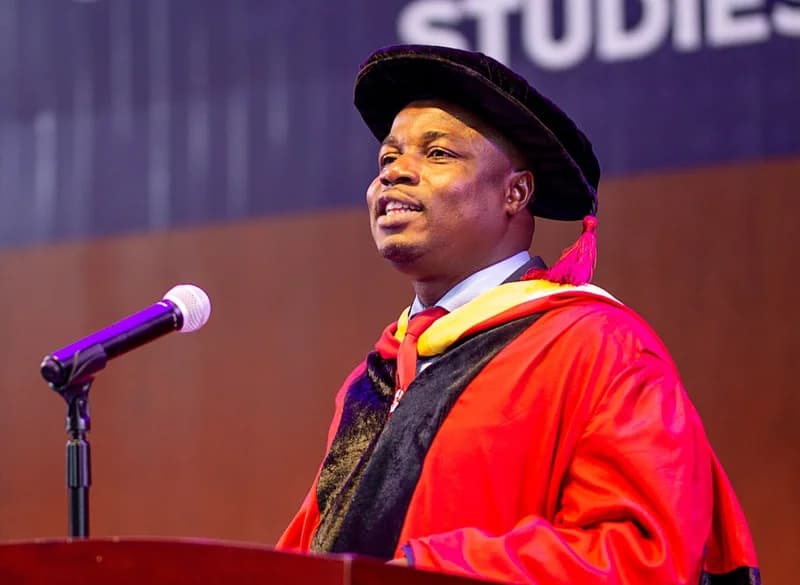
Professor John Kwaku Mensah Mawutor, Vice-Chancellor of the University of Professional Studies, Accra (UPSA), has called for a fundamental transformation of Ghana's higher education system. Speaking at a high-level dialogue, he argued that universities must move beyond simply preparing students for employment and instead equip them with the skills necessary to create jobs. This call for reform comes as the country produces over 300,000 graduates annually, a figure that highlights a growing gap between the number of job seekers and available positions in the formal labor market.
Professor Mawutor emphasized the need for an educational focus that prioritizes problem-solving and entrepreneurial thinking among students. He noted that the current mismatch between academic output and the job market necessitates a more proactive approach from tertiary institutions. By fostering a mindset of innovation and self-reliance, he suggested that universities can help students adapt to a rapidly changing economic landscape where traditional employment opportunities may be increasingly limited.
Central to this proposed shift is the deepening of collaborations between universities and various industries. The Vice-Chancellor advocated for aligning academic curricula with the actual needs of the job market to ensure that graduates possess relevant, marketable skills. Furthermore, he highlighted the importance of commercializing academic research, suggesting that turning academic findings into viable business solutions would not only solve societal problems but also create new enterprises and additional employment opportunities for future graduates.
This transformation aims to empower graduates to become active contributors to national development rather than passive participants in the economy. Professor Mawutor’s recommendations suggest a roadmap for educational reform that focuses on long-term economic resilience. By shifting the paradigm from job seeking to job creation, Ghana’s higher education sector could play a more pivotal role in driving the country’s industrial and entrepreneurial growth in the years ahead.

