••
African Leaders and Mastercard Foundation Launch $500m Higher Education Initiative in Accra
•2 min read•2 sources
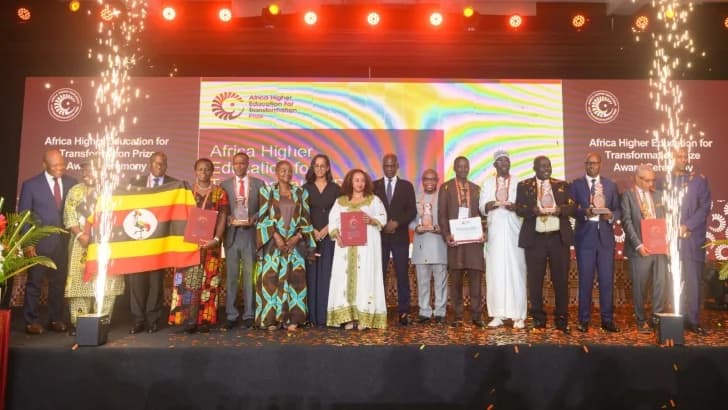
Leaders from across the continent gathered in Accra for the inaugural Higher Education Transformation Convening, a landmark event aimed at reshaping Africa's academic landscape to better serve its burgeoning youth population. Hosted by the Mastercard Foundation, the convening brought together cross-sector leaders to address the urgent need for education systems that directly translate into economic participation and workforce readiness. A central highlight of the gathering was the announcement of a massive $500 million commitment toward transformative initiatives, signaling a significant shift in how higher education is funded and prioritized across the region.
The event also featured the presentation of the first-ever Africa Higher Education for Transformation Prize, which recognized institutions demonstrating exceptional leadership in systemic reform. Among the laureates were prominent institutions including Ghana’s Kwame Nkrumah University of Science and Technology (KNUST) and Ethiopia’s Addis Ababa University. Other recognized institutions hailed from Burkina Faso, Uganda, and Rwanda, each rewarded for their commitment to implementing meaningful changes that bridge the gap between traditional academia and the evolving demands of the modern job market.
Strategic discussions throughout the convening centered on three core pillars: aligning curricula with industry requirements, fostering research that informs community and industry practices, and promoting innovation. Participants emphasized that for African universities to be truly effective, they must move beyond theory and ensure their graduates possess the technical and soft skills required by employers. Furthermore, the role of young people was highlighted as pivotal, with leaders calling for students to be active participants in the design and implementation of the educational policies that directly affect their futures.
As the Mastercard Foundation continues to leverage education to create stronger pathways for youth employment, the Accra convening sets a new standard for continental collaboration. By focusing on systemic transformation rather than incremental changes, the initiative seeks to create a sustainable model where higher education serves as a primary engine for Africa’s economic development. The success of these programs is expected to provide a blueprint for other institutions across the continent, ensuring that Africa's youth are not just educated, but empowered to lead in a competitive global economy.


