••
President Mahama Advocates Five African UN Security Council Seats and Clarifies Stance on Historical Slavery Guilt
•3 min read•4 sources
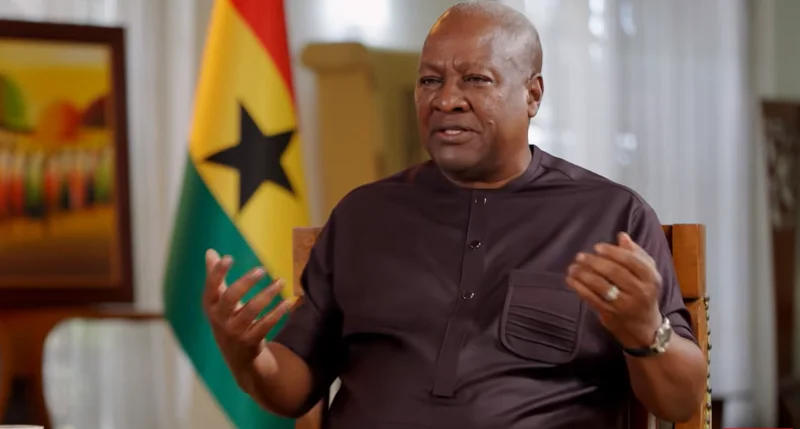
President John Dramani Mahama has intensified his call for global institutional reform, proposing that Africa be allocated five permanent seats on the United Nations Security Council. Speaking in an interview with TRT World, the President argued that this expansion is essential to ensuring the continent’s fair representation in global decision-making. Under his proposal, each of Africa's five geographical regions would occupy one of these permanent seats. President Mahama emphasized a strategic two-step approach to this reform, suggesting that the international community should first reach a consensus on the expansion of membership before tackling the more complex and contentious issue of veto powers currently held by the Council's permanent members.
During the same international engagement, President Mahama addressed the historical complexities of the transatlantic slave trade and the responsibility of global powers. While acknowledging that the United States significantly benefited from enslaved labor for its national development, he stated that the U.S. should not bear the primary guilt for the trade itself. He attributed that responsibility to the European powers that orchestrated the transport of enslaved Africans. The President expressed disappointment over the U.S. decision to vote against a Ghana-backed UN resolution declaring the slave trade a crime against humanity, noting that the U.S. was still a colony during the height of the trade, though slavery persisted there until the Civil War and subsequent emancipation.
On the domestic front, President Mahama has also been engaging with moral and religious institutions to bolster national development and social discipline. Addressing the 26th General Assembly of the Presbyterian Church of Ghana (PCG) at Abetifi–Kwahu, he urged the clergy to remain a strong moral voice in national affairs. He highlighted the church's critical role in comforting the afflicted while challenging systemic injustices. The President called for a collaborative effort between the state and the church to address pressing social challenges, including youth unemployment, environmental degradation, and the rising tide of indiscipline within educational institutions.
These collective efforts reflect a dual-track governance approach by the Mahama administration: seeking to elevate Africa’s profile and justice on the global stage while simultaneously reinforcing the moral and social fabric within Ghana. By advocating for regional representation at the UN and fostering partnerships with domestic religious bodies, the President aims to translate high-level policy into tangible benefits for citizens. The administration continues to push for a united African front in international negotiations, believing that consensus among continental leaders is the prerequisite for achieving long-standing demands for global equity.
Related topic
John Mahama: Latest News & Updates →

