••
President Mahama to Attend Russia-Africa Summit as Ghana Navigates Revenue Reforms and Fuel Subsidy Debates
•2 min read•11 sources
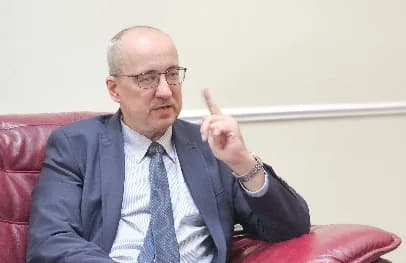
President John Mahama is set to lead a Ghanaian delegation to the upcoming Russia-Africa Summit in Moscow, scheduled for October 28-29. Russian Ambassador Andrei Ordash confirmed the President's attendance, highlighting the summit as a pivotal opportunity for Ghana to attract investment, enhance market access, and foster cooperation in trade, security, and technology. The Ambassador underscored Ghana's role as an equal partner in Africa, noting that the event aims to strengthen bilateral relations through mutual respect and shared interests, particularly as many Ghanaian businesses have been invited to explore new market opportunities.
While the administration focuses on international partnerships, domestic fiscal strategies are under intense discussion. At the 23rd General Assembly of the West African Tax Administration Forum (WATAF) in Accra, the Commissioner-General of the Ghana Revenue Authority (GRA), Anthony Kwasi Sarpong, called for enhanced cooperation among African tax administrations. Mr. Sarpong emphasized the need to broaden tax bases, formalize informal economies, and leverage technology to improve compliance. Despite a projected regional GDP growth of 4.8% for 2025, he warned of a significant development financing gap, urging for transparent and professional institutions to secure sustainable domestic revenue.
Simultaneously, the government faces criticism over its energy pricing policies. Dr. Patrick Kwaku Ofori, CEO of the Chamber of Bulk Oil Distributors (CBOD), has questioned the effectiveness of the current GH¢2 per litre fuel subsidy. Dr. Ofori argued that the subsidy disproportionately benefits owners of high-consumption vehicles, such as V8s, rather than the public transport operators and "trotro" drivers it was intended to assist. He suggested that the funds used for the subsidy could have been better utilized to purchase over 200 buses to improve commuter routes into Accra, such as those from Kasoa, Adenta, and Tema.
These economic tensions are further complicated by international market constraints. Dr. Ofori attributed rising fuel prices to Middle Eastern tensions and declining global petroleum reserves, cautioning that additional subsidies may not be sustainable in the long term. As the government prepares for high-level diplomatic engagements in Moscow, the internal debate underscores a critical need for a long-term national energy strategy and more efficient resource mobilization to bridge the infrastructure and social investment gap facing the nation.
Related topic
Ghana Customs Recruitment: Latest News & Updates →

