••
President Mahama Champions Reparations and 24-Hour Markets Amid Growing Demands for Institutional Accountability
•3 min read•10 sources
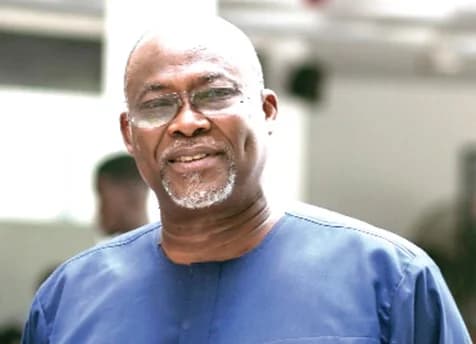
President John Mahama is positioning Ghana as a leader in international reparations while simultaneously driving a new domestic economic model. Ekwow Spio-Garbrah, the Presidential Special Envoy for Reparations, recently outlined a bold agenda that moves beyond simple monetary compensation to include restitution and development financing, framing reparations as a core economic justice issue. This international push coincides with the government's domestic 24-Hour Economy agenda, specifically the construction of 24-hour markets designed to stimulate trade and productivity across all districts. President Mahama views these modern trading spaces as crucial for enhancing economic opportunities and improving national infrastructure.
Despite the government's ambitious plans, these domestic initiatives have faced scrutiny regarding their operational feasibility and prioritization. Alexander Akwasi Acquah, Deputy Ranking Member of the Local Government and Rural Development Committee, has called for clarification on the planning of 24-hour markets, questioning the necessity of demolishing existing structures and the capacity for around-the-clock operations. Similarly, political analyst Charles Owusu has advised President Mahama to focus on healthcare and essential social services instead of the market initiative. These debates over public spending extend to the National Cathedral, where media personality Kwabena Bobie Ansah has argued that the project should be funded by the Christian community rather than taxpayer resources to ensure state funds are reserved for urgent national priorities.
On the institutional front, calls for transparency and reform are intensifying across Ghana's political landscape. Security analyst Nana Attobrah Quaicoe has highlighted a critical need for intelligence service reform, arguing that these agencies currently operate with little public accountability. Simultaneously, Benjamin Kwabena Boakye of ACEP has criticized the Economic and Organized Crime Office (EOCO) over its handling of the PDS takeover investigation, accusing the office of institutional lawlessness. These internal pressures for better governance come as the New Patriotic Party (NPP) begins its own restructuring; Kwabena Abankwah-Yeboah, an aspiring National Vice Chairman, is urging the party to elect selfless leaders to rebuild trust following their 2024 electoral defeat.
Beyond Ghana’s borders, legal and ethical developments continue to shape the discourse on political accountability. In the United Kingdom, the acquittal of former Nigerian Petroleum Minister Diezani Alison-Madueke has prompted civil society organizations to clarify that Nigerian asset recovery efforts will remain ongoing despite the jury's decision. Meanwhile, in the United States, ethics watchdogs have raised alarms over the funding of Donald Trump Jr.’s wedding by Russian oligarch Umar Kremlev. While legal for a private citizen, the lavish gift has sparked criticism regarding potential foreign influence and the intersections of wealth and political power, mirroring the broader global demand for transparency and integrity in public life.
Related topic
NPP (New Patriotic Party): Latest News →

