••
President Mahama Petitioned Over Rice Trade Policy as Ministry Moves to Sanction Delinquent Road Contractors
•3 min read•8 sources
The Osudoku Youth Association (OYA) has formally petitioned President John Mahama to implement urgent regulatory measures on foreign rice importation to protect the local industry. The group is calling for the National Food Buffer Stock Company (NAFCO) to purchase surplus local rice from Osudoku, a major production hub, to prevent the financial collapse of local farmers. Beyond trade policy, the petition highlights critical development gaps, including the deteriorating condition of local roads, the abandonment of the Asutsuare Market project, and the urgent need to rehabilitate the Kpong Irrigation Scheme to ensure national food security.
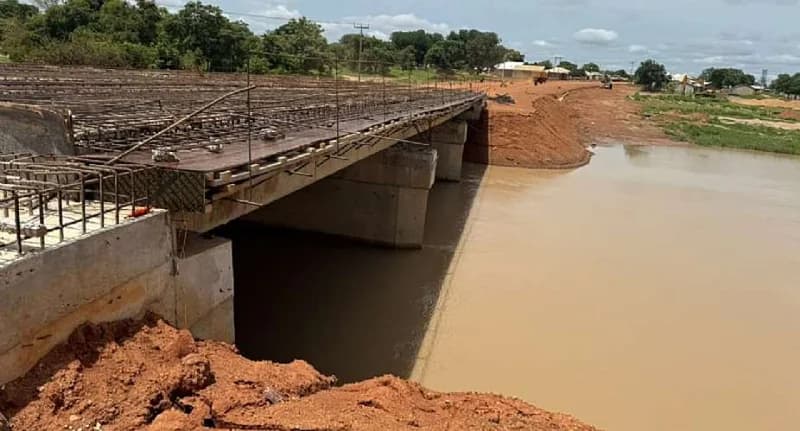
In a parallel development concerning infrastructure accountability, the Deputy Minister of Roads and Highways, Alhassan Suhuyini, has raised alarms over a "troubling cycle" of project delays. According to the Ministry, some contractors are intentionally stalling projects to accrue interest on late payments, leading to massive budget overruns. Suhuyini cited instances where initial GH""1 million contracts ballooned to GH""5 million due to these delays. The Ministry has committed to stricter supervision and the enforcement of completion timelines to ensure value for money. This focus on infrastructure quality is echoed in the Upper West Region, where residents along the Tumu-Banu road project—initiated by President Mahama—are urging the contractor, Mawums Construction Limited, to increase bridge heights and drainage capacity to prevent seasonal flooding.
Addressing economic pressures on the public, the National Petroleum Authority (NPA) announced it is evaluating several strategies to cushion consumers against rising fuel prices. NPA Chief Executive Officer Godwin Kudzo Tameklo confirmed that multiple relief scenarios have been submitted to the Minister of Energy, Dr. John Abdulai Jinapor, for review. Meanwhile, the Association of Ghana Industries (AGI) is advocating for a more unified front within the renewable energy sector. Kwame Jantuah, Chairman of the Oil and Gas Sector at AGI, noted that a fragmented industry lacks the advocacy power necessary to influence policies that could accelerate the transition to sustainable energy.
Finally, the government is facing scrutiny over law enforcement conduct in the capital. Commercial motorcycle operators, popularly known as Okada riders, have reported widespread extortion by officers from the Motor Traffic and Transport Directorate (MTTD). These riders allege being forced to pay arbitrary fees of up to GHC 200 during traffic stops. While the Ghana Police Service has already interdicted seven officers for misconduct, there are growing calls for the integration of more technology in traffic enforcement to reduce direct physical interactions and curb bribery. Together, these developments highlight a busy period for the Mahama administration as it navigates complex demands for economic relief, infrastructure accountability, and institutional reform.
Related topic
John Mahama: Latest News & Updates →

