••
Ghana’s Governance Reforms Gain Momentum as Parliament Approves Fiscal Council and BoG Tightens Financial Oversight
•3 min read•23 sources
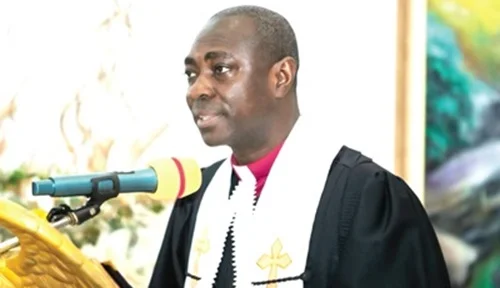
Ghana’s governance framework is undergoing a significant transition under President John Mahama as Parliament has approved a five-member Fiscal Council to strengthen economic management. Chaired by Dr. Emmanuel Oteng Kumah, the council includes prominent experts such as Dr. Henry Kofi Wampah and Professor Patrick Opoku Asuming. The body is tasked with promoting fiscal discipline and providing expert analysis of public financial management. Simultaneously, the Bank of Ghana (BoG) has accelerated its regulatory efforts, with Governor Dr. Johnson Pandit Asiama announcing a 2027 deadline for the full implementation of the Virtual Asset Service Providers Act. To bolster financial integrity, the BoG has also inaugurated a Preliminary Investigation Committee to monitor undeclared foreign currency at borders, aiming to curb money laundering and tax evasion.
Economic policy remains a point of contention between the current administration and the previous government’s economic team. Dr. Gideon Boako, MP for Tano North, has defended Dr. Mahamudu Bawumia’s claims regarding an IMF-imposed monthly cap on foreign exchange interventions during the previous term. Boako clarified that a cap of $80 million, later reduced to $60 million, was strictly followed to rebuild international reserves. He argued that this discipline provided the current government with greater flexibility in its own interventions. However, the current economic climate faces scrutiny from legal practitioner Martin Kpebu, who warned the NDC government that the reported 56.4% unemployment rate is a 'scary' indicator of the challenges ahead.
Institutional and constitutional reforms are also taking center stage as the New Patriotic Party (NPP) prepares to announce its official position on proposed amendments to the 1992 Constitution. These proposals include changes to presidential terms and dual citizenship eligibility. Parallel to these state reforms, the Presbyterian Church of Ghana has approved a landmark constitutional revision, allowing its members to serve in traditional leadership roles provided they renounce rituals that conflict with Christian doctrines. Meanwhile, civil society organizations, led by the POS Foundation and the Africa Centre for International Law and Accountability, are urging the government to prioritize human rights recommendations and the passage of the Code of Conduct for Public Officers Bill.
In the media and social sectors, leaders are calling for greater responsibility in public discourse. David Tamakloe, President of PRINPAG, warned against confusing social media activities with professional journalism, emphasizing the need for rigorous standards in security reporting. This sentiment was echoed by Joyce Bawah Mogtari, Senior Presidential Aide to President Mahama, who advised that social media profiles have become public reference points that should be used for constructive advocacy. As the nation moves toward the 2028 electoral cycle, political and religious leaders, including Dr. Mustapha Abdul-Hamid, are advocating for the protection of Ghana’s religious tolerance, urging citizens to focus on policy debates rather than identity politics.
Related topic
NDC (National Democratic Congress): Latest News →Live rates
Dollar to cedi rate →

