••
John Mahama blocks bill to scrap Office of the Special Prosecutor
•2 min read•1 source
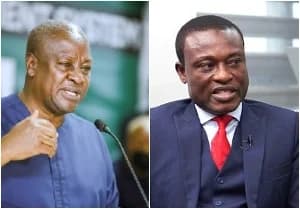
Minister of State Felix Kwakye Ofosu has disclosed that President John Dramani Mahama personally intervened to halt legislative attempts to abolish the Office of the Special Prosecutor (OSP). According to the Minister, the President acted against a bill introduced by senior members of his own National Democratic Congress (NDC) to ensure the anti-corruption institution remains operational. This intervention highlights the President's apparent commitment to maintaining independent oversight bodies, even when faced with significant internal party pressure from the legislative branch.
The move to scrap the OSP was spearheaded by key figures within the NDC, which currently holds the majority in Parliament. Specifically, Majority Leader Mahama Ayariga and Majority Chief Whip Rockson-Nelson Dafeamekpor had introduced a bill aimed at repealing the legislation that originally established the office. Despite their leadership roles and the legislative weight of their positions, President Mahama reportedly moved to block the initiative, effectively halting the progress of the repeal bill before it could advance further in the house.
Felix Kwakye Ofosu’s revelation underscores the internal dynamics of the current NDC administration and the President's specific stance on the country's anti-corruption infrastructure. By preserving the OSP, President Mahama is signaling a departure from the legislative preferences of some of his most prominent party allies. The decision ensures that the office, which was established to independently investigate and prosecute high-level corruption and corruption-related offenses, will continue its mandate under the current government.
As the Office of the Special Prosecutor remains intact, the focus now shifts to how the institution will function under the Mahama presidency and whether it will receive the necessary resources and independence to fulfill its duties effectively. The public disclosure of this executive intervention serves to define the President's early approach to governance and anti-corruption, though it remains to be seen how the proponents of the bill within the NDC parliamentary caucus will adjust to the executive's decision to maintain the office.
Related topic
NDC (National Democratic Congress): Latest News →

