••
President Mahama and NMC Reconstitute Media Boards as Minister Opare Addo Pledges Youth Transparency
•3 min read•14 sources
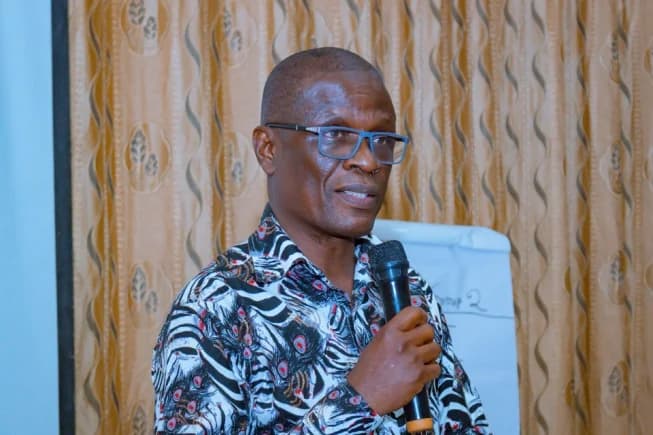
In a significant move to strengthen state institutions and enhance public accountability, the National Media Commission (NMC), in consultation with President John Mahama, has appointed new governing boards for Ghana’s four state-owned media organisations. The reconstitution, announced in August 2026, affects the Graphic Communications Group Ltd (GCGL), the Ghana Broadcasting Corporation (GBC), the New Times Corporation, and the Ghana News Agency (GNA). Key leadership appointments include Professor Samuel Kweku Hayford as Chairman of GCGL, Francis Mills Robertson for GBC, Dr. Kwame Akuffo Anoff-Ntow for GNA, and Dr. Charity Binka for New Times. These appointments are aimed at ensuring the independence and professional excellence of the national press in alignment with constitutional mandates.
Simultaneously, the government has intensified its engagement with the younger generation through the inaugural National Youth Forum 2026, led by the Minister for Youth Development and Empowerment, George Opare Addo. Under the theme "A Sound Youth, A Sound Nation: Your Voice. Your Future. Our Ghana," the forum gathered young Ghanaians at the University of Professional Studies, Accra, to discuss employment, entrepreneurship, and skills development. Responding to calls from the Ghana Youth Federation, Minister Opare Addo directed agency heads to publish comprehensive data on youth-focused initiatives, such as the Adwumawura Initiative and the National Apprenticeship Programme, on the Ministry’s website. This move is designed to improve transparency in resource management and allow the public to track the effectiveness of government interventions.
These administrative reforms come against the backdrop of a challenging governance landscape highlighted by the Ghana Anti-Corruption Coalition’s (GACC) 2025 report. While the Office of the Special Prosecutor (OSP) has recently secured seven convictions from 71 investigations, the coalition reported that financial irregularities across public institutions reached GH¢20.49 billion in the previous year. This has prompted other oversight bodies to take action; the Public Interest and Accountability Committee (PIAC) has announced plans to inventory all uncompleted petroleum revenue-funded projects, including the Agenda 111 hospitals and Jubilee markets. Meanwhile, Vice-President Professor Naana Jane Opoku-Agyemang, speaking at the Civil Service Awards, urged staff to maintain high standards of professionalism and center citizens in their decision-making to align with the administration’s "Reset Agenda" for sustainable development.
On the economic and industrial front, the Ghana Investment Promotion Authority (GIPA) and the Ghana Union of Traders Association (GUTA) have established a collaborative roadmap to protect the informal retail sector, which is legally reserved for Ghanaian citizens under the GIPA Act. This initiative seeks to curb "fronting"—the practice of Ghanaians lending their names to foreign-owned businesses—and improve enforcement against unauthorized foreign entry into local markets. Additionally, Ghana’s efforts to enhance stakeholder participation in managing marine resources recently earned the country international recognition as a Fisheries Transparency Initiative (FiTI) Implementing Country. Together, these developments reflect a multifaceted effort by the Mahama administration to institutionalize transparency, protect local industries, and foster a more inclusive national dialogue.
Related topic
John Mahama: Latest News & Updates →

