••
Mahama Administration Pledges Infrastructure Boost as Reports Reveal Only Five Regions Have Mammography Services
•2 min read•2 sources
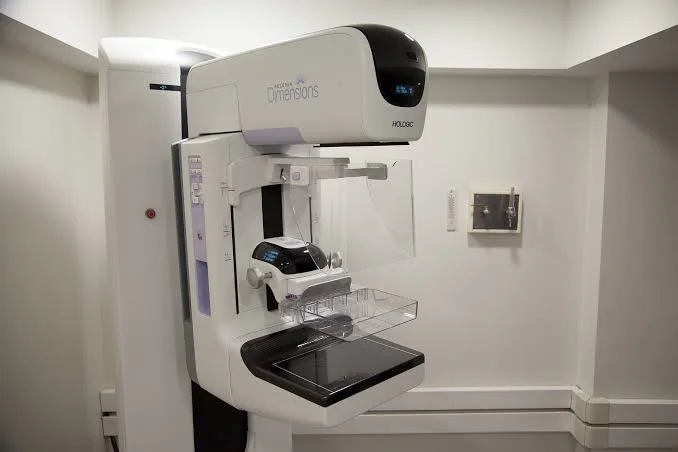
Ghana's health sector is facing a critical shortage of diagnostic equipment, with only five of the country's 16 regions currently providing mammography services. To address this significant gap, the government has announced a major investment in mammography and radiotherapy machines under the "Mahama Cares" initiative. Deputy Health Minister Prof. Dr. Grace Ayensu-Danquah revealed these plans during the launch of National Breast Cancer Awareness Month, noting that a recent assessment by the Ghana Medical Trust Fund found only five mammography machines and two radiotherapy machines operational within the public health system.
The scarcity of equipment has forced healthcare providers in many underserved areas to rely primarily on physical breast examinations, which medical experts warn can miss early-stage cancers that are not yet palpable. Dr. Victor Dedjoe, CEO of Sayo’s Medical Imaging and Diagnostics, emphasized that the lack of access in 11 regions makes early detection nearly impossible for many Ghanaian women. The current infrastructure deficit means that patients often have to travel long distances to the few available centers, leading to delayed diagnoses and poorer health outcomes.
In response to these challenges, the "Mahama Cares" initiative is being positioned as a comprehensive support system for women's health. Beyond the procurement of hardware, the initiative is designed to fund clinical research into the specific types of breast cancer most prevalent in Ghana, support specialist training, and subsidize treatment costs for those diagnosed. Prof. Dr. Ayensu-Danquah stated that the goal is to improve access to timely cancer care while ensuring that the financial burden on patients is significantly reduced.
While government intervention is underway, private sector innovations are also emerging to bridge the immediate gap. Dr. Dedjoe has introduced a mobile mammography van equipped with advanced 3D imaging and Artificial Intelligence (AI) technology to reach remote and underserved communities. He has called upon corporate entities and philanthropists to support the expansion of such mobile services to augment the national effort. Simultaneously, health officials continue to urge women to perform regular self-examinations and seek medical attention for any unusual changes, as early detection remains the most critical factor in improving survival rates.

