••
Daraxonrasib pill halts tumor growth in advanced pancreatic cancer trial
•2 min read•1 source
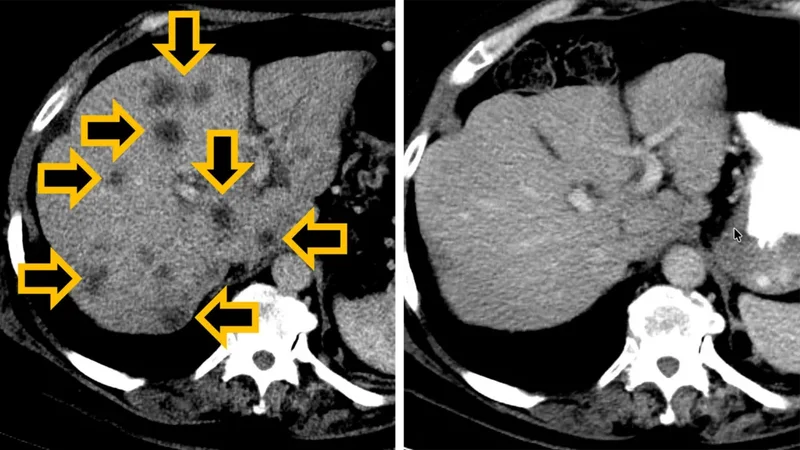
A new medical development is offering hope to patients with advanced pancreatic cancer as early clinical trial results for a daily pill, daraxonrasib, show significant success in halting tumor growth. Researchers reported that the drug managed to shrink or eliminate tumors in several participants, marking what experts describe as a major potential advancement in treating one of the most aggressive forms of the disease. In the initial study involving 61 patients with advanced stages of the cancer, the medication was found to have halted the progression of the disease in almost every case.
The trial data revealed particularly striking results for a segment of the participants, with cancer becoming undetectable in one out of every twelve patients. This outcome is especially significant given that pancreatic cancer is notoriously difficult to treat and currently has some of the lowest survival rates among all cancer types. Traditionally, treatment options have been limited and often involve aggressive chemotherapy, making the prospect of a daily pill that can stabilize or reverse tumor growth a potential turning point for oncology.
Cancer Research UK has characterized the findings as a major advancement, noting the potential implications for broader cancer treatment strategies. However, the medical community remains cautious, emphasizing that while the early results are encouraging, daraxonrasib is not yet a definitive cure. Further long-term studies and larger clinical trials will be necessary to determine the drug's long-term efficacy and safety profile before it can become a standard treatment option. Researchers stressed that the journey from early trials to widespread clinical use requires extensive verification to ensure these initial successes can be replicated across larger populations.
