••
President Mahama Leads Hohoe Flood Relief Efforts as Experts Call for Strategic Urban Planning Reforms
•2 min read•3 sources
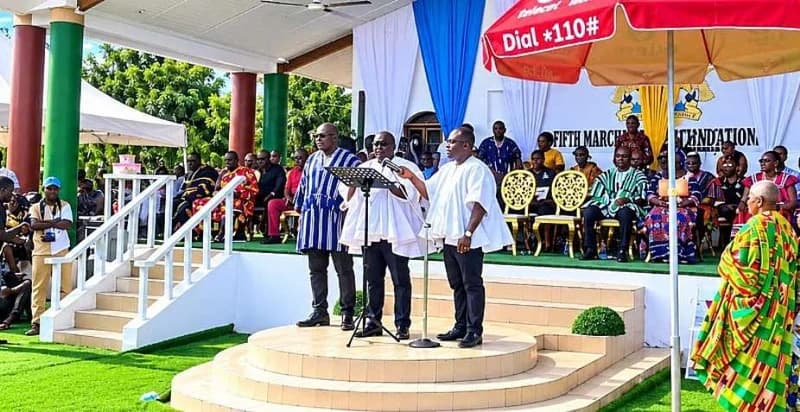
President John Dramani Mahama has visited the Hohoe Municipality to lead relief efforts for over 5,140 people displaced by devastating floods following recent heavy rainfall. During his assessment of the impacted areas in the Volta Region, the President personally observed the scale of destruction to homes and local infrastructure, distributing essential relief items to affected families. President Mahama commended the resilience of local leaders and instructed municipal authorities to ensure that aid is distributed fairly and transparently to the most vulnerable households. The relief mission was further supported by the private sector, including a local businessman's pledge of cement to assist in the reconstruction of destroyed houses.
This humanitarian intervention coincides with a broader reaffirmation of the government’s commitment to the Volta Region's socio-economic development. Representing the President at the Asogli Te Za (Yam Festival) celebration, Chief of Staff Dr. Julius Debrah emphasized the administration’s focus on youth employment, regional economic collaboration, and support for women entrepreneurs. The President’s message acknowledged the long-standing leadership of Togbe Afede XIV and highlighted the government's eagerness to collaborate with traditional authorities to address pressing concerns regarding job creation and economic strategy in the region.
Despite these immediate responses, the recurring nature of seasonal flooding in Ghana has sparked a critical debate regarding what analysts describe as a "strategic intelligence failure." While the government focuses on recovery, experts argue that these annual disasters are predictable events linked to long-term failures in urban planning and environmental oversight. Critics point to rapid urbanization, inadequate drainage systems, and the persistent neglect of natural watercourses as primary drivers. There is a growing call for the adoption of Strategic Flood Intelligence (SFI), which advocates for proactive measures that integrate indigenous environmental knowledge with modern engineering to prevent disasters before they occur.
To break the cycle of seasonal displacement and reactive governance, there is an urgent need for a cultural and administrative shift in how Ghana manages its landscape. Moving forward, the integration of environmental data into urban policy and the consistent enforcement of building regulations remain essential to mitigating future risks. As the Mahama administration continues its recovery operations in Hohoe, the focus remains on whether these immediate relief efforts will be paired with the structural reforms necessary to protect vulnerable communities from the predictable impacts of future rainy seasons.
Related topic
John Mahama: Latest News & Updates →

