••
President Mahama Accelerates Decentralisation Agenda as Major Cities Confirm New Local Leadership
•3 min read•12 sources
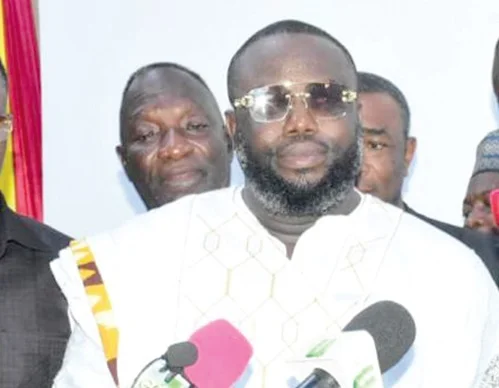
President John Dramani Mahama has reaffirmed his administration's commitment to local governance by announcing a significant policy shift during his #ResettingGhana Tour. Speaking in Wa, the President pledged to transfer 80% of the District Assemblies Common Fund (DACF) directly to district assemblies, a move intended to empower local authorities to address community-specific needs in health, education, and infrastructure. This decentralisation drive comes as the President has nominated 259 Metropolitan, Municipal, and District Chief Executives (MMDCEs) nationwide out of an expected 261, signaling an aggressive push to solidify local administration early in his term. These appointments are part of a broader strategy to support regional development, including the 24-Hour Economy Market project and the proposed Upper West Regional Airport.
The confirmation process for these nominees has seen significant breakthroughs in key metropolitan areas. In Accra, Michael Kpakpo Allotey secured unanimous support from the Accra Metropolitan Assembly (AMA), pledging to leverage his experience in logistics and real estate to tackle urban challenges. Similarly, Tema made history with the confirmation of Ebi Bright as its first female Metropolitan Chief Executive since 1993. Bright, who secured 28 out of 31 votes, has committed to transforming the industrial hub into a sustainable urban center focusing on job creation. Other successful confirmations include Ransford Owusu Boakye in New Juaben South, who received 100% of the assembly's support, and Ella Christine Esinam Nongo in Adenta, reflecting a broad consensus for the President's leadership team.
However, the confirmation process has not been without hurdles. In the Greater Accra Region, several nominees faced resistance or failed to secure the required two-thirds majority. Kenneth Kabu Kanor of Ada East fell short of the threshold by two votes, while Alfred Gaisie was rejected by the Korle Klottey Municipal Assembly. In Shai Osudoku, Ignatius Godfred Dodoe is awaiting a second round of voting. Regional Minister Linda Obenewaa Akweley Ocloo has expressed concern that these delays could stall local development projects. Amidst these administrative transitions, a controversy has emerged in the Eastern Region, where Charles Nyame, the regional coordinator of the Free Senior High School (FSHS) Secretariat, reportedly suggested that placement support would be prioritised for NDC-affiliated parents. This statement has sparked debate over equity in the nation's educational support systems.
Beyond administrative appointments, the government is focusing on targeted socio-economic interventions, particularly within Zongo communities. Minister of Local Government, Chieftaincy, and Religious Affairs, Mahama Ayariga, announced strategic investments aimed at bridging development gaps through infrastructure, sanitation, and human capital development. These efforts, supported by traditional leaders like the Ga Mantse, King Tackie Teiko Tsuru II, aim to empower women and youth without displacing residents during modernization. As the remaining MMDCE nominees face their respective assemblies for approval, the Mahama administration remains focused on a development agenda that blends infrastructure expansion with a more robust, decentralised financial framework for Ghana’s districts.
Related topic
NDC (National Democratic Congress): Latest News →

