••
Local Government Minister Mahama Ayariga Announces Corporate Partnership Initiative for Urban Street Redevelopment
•2 min read•2 sources
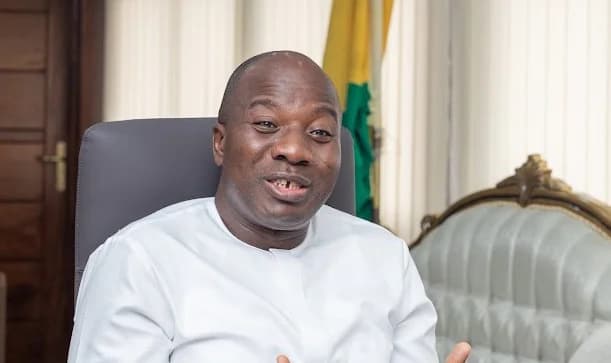
The Ministry of Local Government, Chieftaincy and Religious Affairs has introduced a landmark initiative to partner with corporate Ghana for the reconstruction, cleaning, and maintenance of major streets across the nation’s capital cities. Announced by Minister Mahama Ayariga during the Government Accountability Series on October 5, 2026, the program is a direct directive from President John Mahama intended to bridge the infrastructure gap in urban centers. Under this arrangement, private entities—including prominent banks, construction firms, and insurance companies—will be assigned specific streets to oversee their redevelopment and long-term upkeep. This collaborative model aims to ensure that high-traffic urban corridors remain well-maintained and aesthetically pleasing through sustainable private investment.
Key features of the initiative include the "greening" of urban spaces, the installation and maintenance of street lighting, and the construction of safe walkways for pedestrians. To incentivize corporate participation, the government is offering significant branding and advertising opportunities. Companies will be allowed to associate their names with the streets they manage, provided that the original street names are preserved. A pilot example of this partnership involves Access Bank, which is expected to take responsibility for the redevelopment of the Obasanjo Highway. Furthermore, Minister Ayariga plans to meet with the Governor of the Central Bank to mobilize financial institutions, encouraging them to adopt streets as part of their corporate social responsibility and urban infrastructure commitments.
In addition to the corporate partnership for major thoroughfares, President John Mahama has mandated the development of a comprehensive inner-city infrastructure strategy. This plan focuses on ensuring that every neighborhood benefits from paved streets, efficient drainage systems, and adequate green spaces. To fund these enhancements, the government is preparing to roll out a reconfigured property taxation regime alongside direct state support. This dual approach—leveraging corporate partnerships for major roads while utilizing property tax reforms for neighborhood-level infrastructure—is designed to fundamentally improve living conditions and property values across Ghana’s urban landscape.
The Ministry expects an initial report on the strategy's implementation to be finalized shortly, with a broader rollout involving various government agencies to follow. This initiative represents a significant step toward decentralizing infrastructure maintenance and fostering a culture of shared responsibility between the state and the private sector. By integrating corporate branding with public service, the government seeks to create a more resilient and visually appealing urban environment that supports both economic activity and the well-being of all citizens.
Related topic
John Mahama: Latest News & Updates →
