••
President Mahama and Government Face Mounting Pressure Over 24-Hour Economy Implementation, Finance Reforms, and Institutional Integrity
•3 min read•13 sources
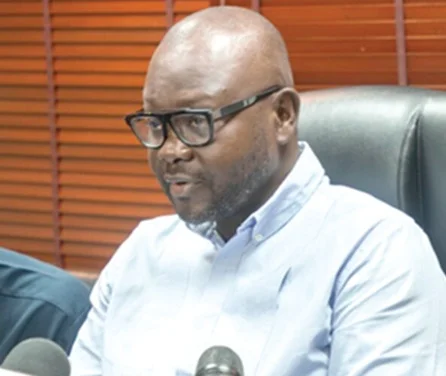
President John Dramani Mahama’s administration is currently navigating a complex landscape of policy implementation and calls for systemic reform. At the forefront of the national discourse is the 24-Hour Economy Market Programme, which has drawn significant scrutiny from the Minority Caucus in Parliament. Led by Ranking Member Francis Asenso-Boakye, the Minority is demanding a comprehensive review of the initiative to ensure market projects are guided by local economic demands and district development plans rather than a centralized, uniform approach. This friction is epitomized by a heated dispute between Accra Mayor Michael Kpakpo Allotey and former Defence Minister Dominic Nitiwul over demolition plans at the Konkomba Yam Market in Agbogbloshie, a move tied to the government’s 24-hour economy strategy. Meanwhile, the Presidency has demonstrated a commitment to administrative oversight, referring a petition from the Importers and Exporters Association of Ghana (IEAG) to the Ministry of Transport regarding representation and accountability issues within maritime boards.
Simultaneously, Transparency International Ghana (TI Ghana) and the Africa Centre for International Law and Accountability (ACILA) are intensifying calls for stronger political financing legislation. Activists like William Nyarko and MP Alexander Akwasi Acquah are advocating for caps on individual campaign donations, mandatory financial disclosures, and the criminalization of vote-buying in intra-party elections to curb the monetization of politics and the influence of deep-pocketed donors. Amidst these calls for accountability, Finance Minister Dr. Cassiel Ato Forson has publicly defended his management of public funds, asserting that his work is guided by honesty and a clean conscience. However, the government faces other integrity-related challenges, including a formal petition to the Criminal Investigations Department (CID) to investigate allegations of impersonation involving former Dome-Kwabenya MP Sarah Adwoa Safo during parliamentary proceedings in 2021.
Beyond high-level policy and legal disputes, several state institutions are struggling with operational constraints and environmental pressures. The Acting Commissioner of the Rent Control Department, Frederick Opoku, recently voiced alarm over severe underfunding, noting that GH₵60,000 for 66 offices over three months is insufficient for effective operations. On the environmental front, Professor Ransford Gyampo has categorized the persistence of illegal mining, or galamsey, as an "existential threat," urging the government to move beyond acknowledgments toward radical action. On the diplomatic stage, Ghana continues to project leadership in emerging sectors, with Minister Samuel Nartey George representing President Mahama at the UNESCO Global Forum on the Ethics of Artificial Intelligence in Saudi Arabia to strengthen AI diplomacy.
Finally, there is a growing concern over the quality of political discourse in the country. Religious leaders and commentators are warning against the "politics of insults," urging a return to respect and constructive criticism to preserve national peace. This call for civility is underscored by international developments, such as the recent physical assault on Irish TD Michael Healy-Rae in Dublin, which has sparked a global conversation about the rising toxicity and dangers faced by public officials. As Ghana moves forward, the intersection of infrastructure development, fiscal transparency, and the maintenance of democratic norms remains critical to the nation's stability and progress under President Mahama’s leadership.
Related topic
John Mahama: Latest News & Updates →

