••
President John Mahama Announces 20% Salary Incentive for Rural Workers Amidst National Drive for Zongo Redevelopment and Peace
•3 min read•13 sources
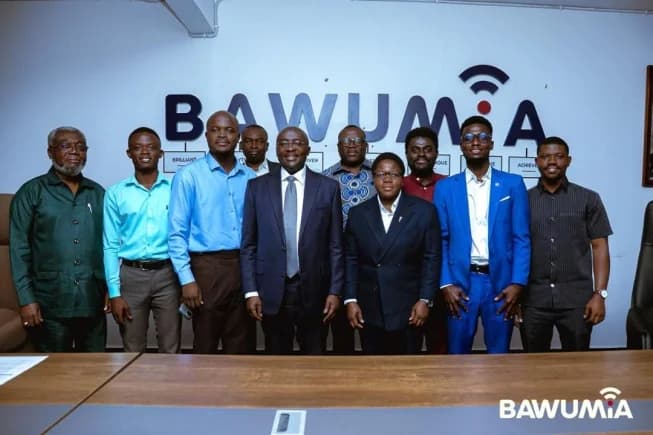
President John Mahama has announced a significant policy shift aimed at improving service delivery in Ghana’s underserved regions, pledging a 20% salary incentive for health and education workers who accept postings to deprived districts. This initiative, currently being finalized in discussions with the Fair Wages and Salaries Commission, is designed to attract essential professionals to rural areas by providing tangible financial motivation. The President also emphasized that the government will prioritize the provision of necessary equipment for health and educational facilities and improve supporting infrastructure, such as roads, water, and electricity, to ensure these workers can effectively serve their communities. Parallel to these welfare pledges, the government is intensifying its focus on urban renewal and social protection. Speaking at the Zongo Chiefs Conference in Accra, the Minister for Local Government, Chieftaincy and Religious Affairs, Mahama Ayariga, outlined a vision for the comprehensive redevelopment of Zongo communities. Ayariga emphasized that this transformation must address sanitation, housing, and infrastructure deficits without displacing current residents, aiming to tackle deep-rooted social inequalities. This vision was supported by the Ga Mantse, King Tackie Teiko Tsuru II, who called for stronger collaboration between Zongo leaders and traditional authorities to foster peaceful coexistence and development. The Minister for Gender, Children and Social Protection, Dr. Agnes Naa Momo Lartey, further reinforced the need for local involvement in governance. During a Community Dialogue Series in Teshie, she urged traditional leaders to play a more active role in identifying vulnerable citizens for social protection programs like the Livelihood Empowerment Against Poverty (LEAP). Meanwhile, the political landscape remains competitive as the opposition New Patriotic Party (NPP) flagbearer, Dr. Mahamudu Bawumia, has been engaging with the Junior Doctors Association and medical students. His discussions focused on training, welfare, and career progression, signaling the opposition's intent to formulate alternative policies for the healthcare sector. On the security front, the National Peace Council has called for collective responsibility to de-escalate the persistent conflict in Bawku. Sheikh Armiyawo Shaibu urged security agencies and the media to exercise professionalism and enhanced intelligence gathering to restore stability. Beyond Ghana’s borders, regional stability remains a focal point as Nigeria’s police chief, Olatunji Disu, vowed to ensure secure national elections in 2027 despite ongoing insurgency challenges. Conversely, in Equatorial Guinea, the government faces urban planning hurdles as the newly declared capital, Ciudad de la Paz, remains largely unpopulated months after its inauguration. These domestic and regional developments highlight a period of intensive focus on social equity, peace-building, and administrative reform across the continent.
Related topic
NPP (New Patriotic Party): Latest News →

