••
President Mahama Announces 20% Salary Incentive for Rural Health Workers and Telemedicine Kiosks for Markets
•2 min read•5 sources
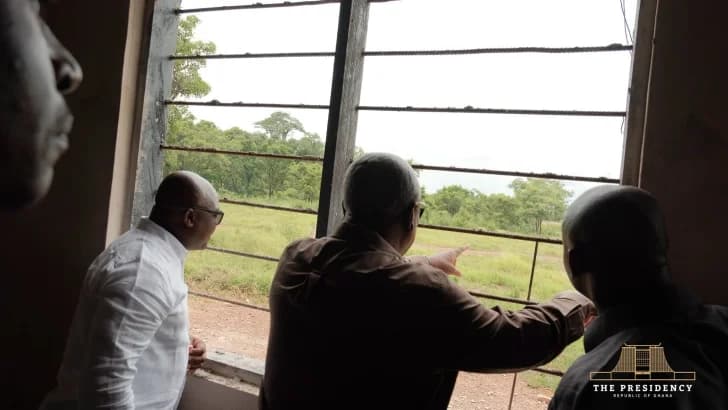
President John Mahama has activated a major health sector incentive package, offering a 20% basic salary bonus to health professionals who accept postings to deprived communities. Announced during his 'Resetting Ghana Tour' in the Upper West Region, the initiative is part of a broader strategy to address the historical reluctance of professionals to serve in underserved areas. This Deprived Area Incentive package aims to rectify the uneven distribution of healthcare personnel and ensure that every Ghanaian, regardless of geographical location, has access to quality medical services. The President also noted that this effort coincides with a significant rise in National Health Insurance Scheme (NHIS) coverage, which has grown from 60% to 76%.
In a parallel move to decentralize care, the government is set to establish health kiosks at major markets and lorry stations across the country. These kiosks are designed to provide basic outpatient services, including health screenings and telemedicine consultations, directly linked to district hospitals. A primary focus of this initiative is a partnership with the Ghana Private Road Transport Union (GPRTU) to screen commercial drivers for non-communicable diseases like hypertension, which can pose significant risks on the road. By bringing healthcare to high-traffic areas, the government hopes to catch undetected conditions among traders, commuters, and drivers who may lack the time to visit traditional hospitals.
These initiatives form the core of the government’s Free Primary Healthcare (FPHC) programme, which is currently operational in 135 districts. According to the Director-General of the Ghana Health Service, Dr. Samuel Kaba Akoriyea, the selection of these districts is strictly data-driven, focusing on areas with high maternal mortality, limited hospital availability, and significant travel distances to care, such as the Afram Plains. Dr. Akoriyea emphasized that the program relies heavily on community health workers and the deployment of over 25,000 new pieces of medical equipment to ensure that the services provided are both preventive and curative.
Looking forward, the Mahama administration plans to expand the Free Primary Healthcare programme to cover all 261 districts by 2028. This expansion will include home-based health screenings and enhanced transportation aids for health workers to facilitate outreach in the most remote regions. By shifting the focus toward preventive care and early disease detection, the government aims to create a sustainable healthcare legacy that reduces the burden on tertiary hospitals and improves the overall life expectancy of the Ghanaian population.
Related topic
John Mahama: Latest News & Updates →

