••
President Mahama Announces 20% Salary Incentive for Health Workers and Major Equipment Rollout for Primary Healthcare
•3 min read•3 sources
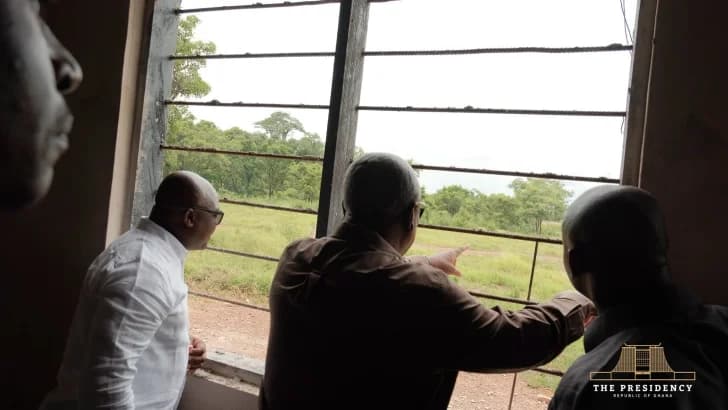
President John Mahama has activated a major incentive package and resource distribution plan aimed at revolutionizing healthcare access across Ghana. Central to this initiative is a 20% salary bonus for health professionals who accept postings to underserved and deprived regions. This move is part of the broader Free Primary Healthcare (FPHC) program, which the government is rapidly scaling to ensure that essential medical services are available to all citizens regardless of their economic status or geographic location. The president emphasized that the strategy is not only about financial rewards but also about improving the living standards of personnel in rural areas.
The Deprived Area Incentive package is designed to address the chronic shortage of medical personnel in rural areas by committing to infrastructure upgrades alongside the salary boost. President Mahama highlighted that the government is prioritizing the improvement of living conditions for these health workers, including better access to roads, water, and electricity. By making these regions more habitable and professionally rewarding, the administration aims to reach its goal of expanding the FPHC program to 150 districts by the end of the year, with 135 districts already successfully integrated into the system.
Supporting this human resource strategy, Health Minister Kwabena Mintah Akandoh announced the distribution of over 24,000 pieces of basic medical equipment. This includes healthcare bags and specialized vehicles designed to facilitate community-based health services and direct home outreach. This logistical boost is critical for the program’s focus on preventive care and early detection of non-communicable diseases like diabetes and high blood pressure. By equipping Community-based Health Planning and Services (CHPS) compounds and local health centers, the government ensures that screenings and treatments for common ailments such as malaria and respiratory infections remain free and accessible at the point of care.
The impact of this policy is already being felt at the grassroots level, as evidenced by the recent commissioning of a Free Health Kiosk at the Sogakope Market in the Volta Region. Local leaders, including District Chief Executive Victoria Dzeklo and Member of Parliament Maxwell Kwame Lukutor, noted that such facilities are vital for traders and residents who often neglect early symptoms due to cost or distance. Nationally, the rollout has seen significant progress, with health officials having already assessed more than 54,000 households. This shift toward a community-centric model reduces the economic burden of illness on families while strengthening the national health insurance framework and overall public wellbeing.
Related topic
John Mahama: Latest News & Updates →

