••
Professor P.L.O. Lumumba Urges Africa to Fulfill Kwame Nkrumah’s Vision of Continental Unity and Self-Reliance
•2 min read•2 sources
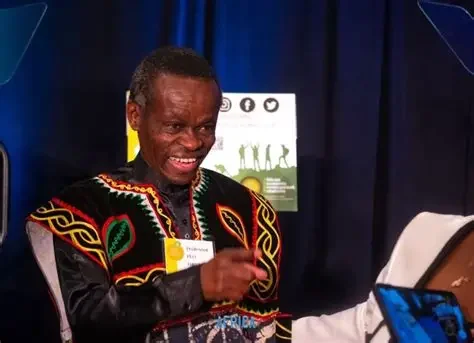
Professor P.L.O. Lumumba has issued a stirring call for African nations to recommit to the Pan-African ideals of Osagyefo Dr. Kwame Nkrumah, warning that the continent’s independence remains a "work in progress." Speaking at NkrumahFest 2026, a ceremony marking the 117th anniversary of the birth of Ghana’s first president, the renowned Kenyan legal scholar emphasized that Nkrumah’s vision of a united and self-reliant Africa is far from realized. Lumumba argued that while political flags have been raised across the continent, the deeper project of economic and political liberation requires a unified continental approach that transcends individual national borders. He highlighted Nkrumah’s unique legacy of linking Ghana’s own freedom to the broader liberation of the entire African continent.
A central pillar of Lumumba’s address was a sharp critique of Africa’s persistent reliance on foreign powers for essential resources. He asserted that the continent's continued dependence on external actors for medicine, agriculture, and technology directly contradicts the vision established by Nkrumah at the dawn of independence. According to Lumumba, true sovereignty is impossible as long as African nations remain fragmented and beholden to global powers for their basic survival. He urged a shift toward radical self-sufficiency, echoing Nkrumah’s original warning that political independence is hollow without the backing of a unified African economic and political structure that can compete on the global stage.
Concluding his speech, Lumumba challenged the current generation of Africans and their leaders to move beyond the symbolic commemoration of past heroes. He stressed that the responsibility for fulfilling Nkrumah’s dream rests with today’s citizens, who must translate Pan-Africanist rhetoric into tangible actions and institutional unity. By prioritizing collective responsibility and regional integration, Lumumba believes Africa can finally complete the "unfinished project" of liberation. This transition from dependence to self-reliance is framed not just as a tribute to the past, but as a necessary step for Africa to secure its future as a self-sufficient and united global power.
