••
Educational Shifts in Africa: LSE Deepens Ghana Partnerships as Algeria Pivots to English-First Curriculum
•2 min read•2 sources
Educational priorities across the African continent are undergoing significant transformations, marked by both high-level academic partnerships in West Africa and sweeping linguistic reforms in the North. In Ghana, the London School of Economics and Political Science (LSE) has recently concluded a high-level mission to strengthen academic and leadership networks. Simultaneously, Algeria has announced a historic shift in its primary school curriculum, prioritizing English over French as part of a broader effort to modernize its educational system and distance the nation from its colonial past.
During a strategic visit to Accra, an LSE delegation led by Deputy Vice-Chancellor Professor Eric Neumayer reaffirmed the institution’s commitment to Ghanaian development. A central outcome of the engagement was the confirmation that Accra will host the upcoming Programme for African Leadership (PfAL) conference. Established in 2012, PfAL has become a cornerstone for LSE’s engagement on the continent, providing specialized leadership training for African graduates. The delegation’s meetings with prominent alumni and notable officials underscore a strategy to leverage the expertise of international academic networks to address regional challenges and foster a new generation of leaders.
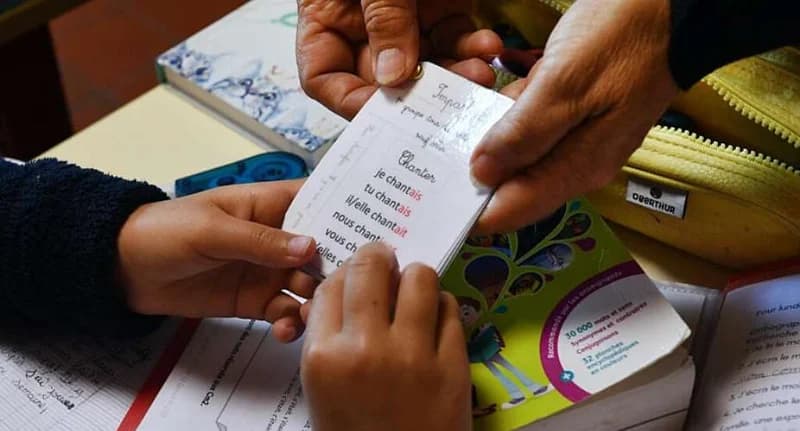
Further north, Algeria is implementing a reform that fundamentally alters its cultural and educational landscape. Education Minister Mohamed Seghir Saadaoui announced that by the 2026-27 academic year, English will be established as the primary foreign language taught in the third year of primary school. This move effectively relegates French—the language of the former colonial power—to the fourth year of study. This transition is driven by a desire to adopt the global lingua franca of science, technology, and business, though it also reflects a period of deteriorating diplomatic relations between Algiers and Paris.
These developments reflect a broader continental trend toward educational autonomy and global integration. While Ghana continues to foster elite international academic collaborations to build local leadership capacity, Algeria is reshaping the foundational tools of its youth to better compete in a globalized economy. Together, these initiatives signal a departure from traditional colonial-era educational structures in favor of pragmatic, future-oriented models that prioritize global communication and strategic leadership skills.


