••
Linda Baafi warns late detection is main threat to breast cancer patients
•2 min read•1 source
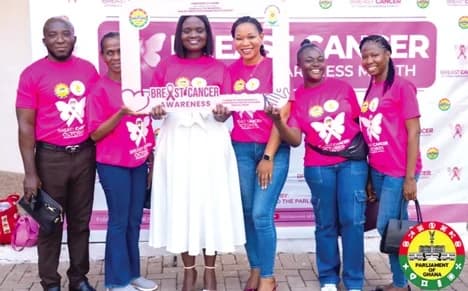
Dr. Linda Baafi, the Municipal Health Director for Klottey Korle, has identified delays in seeking medical attention as the primary obstacle to surviving breast cancer in Ghana. Speaking at the launch of a breast health awareness campaign, Dr. Baafi stressed that while the disease is a significant health challenge, late detection remains the "real enemy" responsible for low survival rates among Ghanaian women. She emphasized that the timing of medical intervention often determines the difference between life and death.
Current data reveals a sobering reality for women's health in the country. Approximately 15 women are diagnosed with breast cancer daily in Ghana, and nearly half of those diagnosed eventually succumb to the disease. Dr. Baafi explained that many patients only report to medical facilities when the cancer is at an advanced stage. These delays are often driven by social stigma, financial constraints, and a dangerous misconception that painless lumps are harmless. This delay in seeking professional help frequently leads to a higher risk of mastectomy and significantly increased treatment costs.
To combat these high mortality rates, the Health Director advocated for a proactive approach to breast health. She urged women to take advantage of free breast cancer screenings available in the region, noting that early detection remains the most effective tool for successful treatment outcomes. Dr. Baafi also highlighted the importance of understanding risk factors such as age, family history, and lifestyle choices, reinforcing the necessity of maintaining a healthy lifestyle to lower overall risk.
In her concluding remarks, Dr. Baafi called on the public to find a balance between spiritual beliefs and formal medical treatment. While acknowledging the role of faith in many Ghanaians' lives, she cautioned against relying solely on prayer at the expense of seeking clinical care. By combining early detection with medical intervention and healthier lifestyle choices, she believes the burden of breast cancer in Ghana can be significantly reduced.


