••
Liati Soba residents appeal for urgent road repairs in Afadzato South
•2 min read•1 source
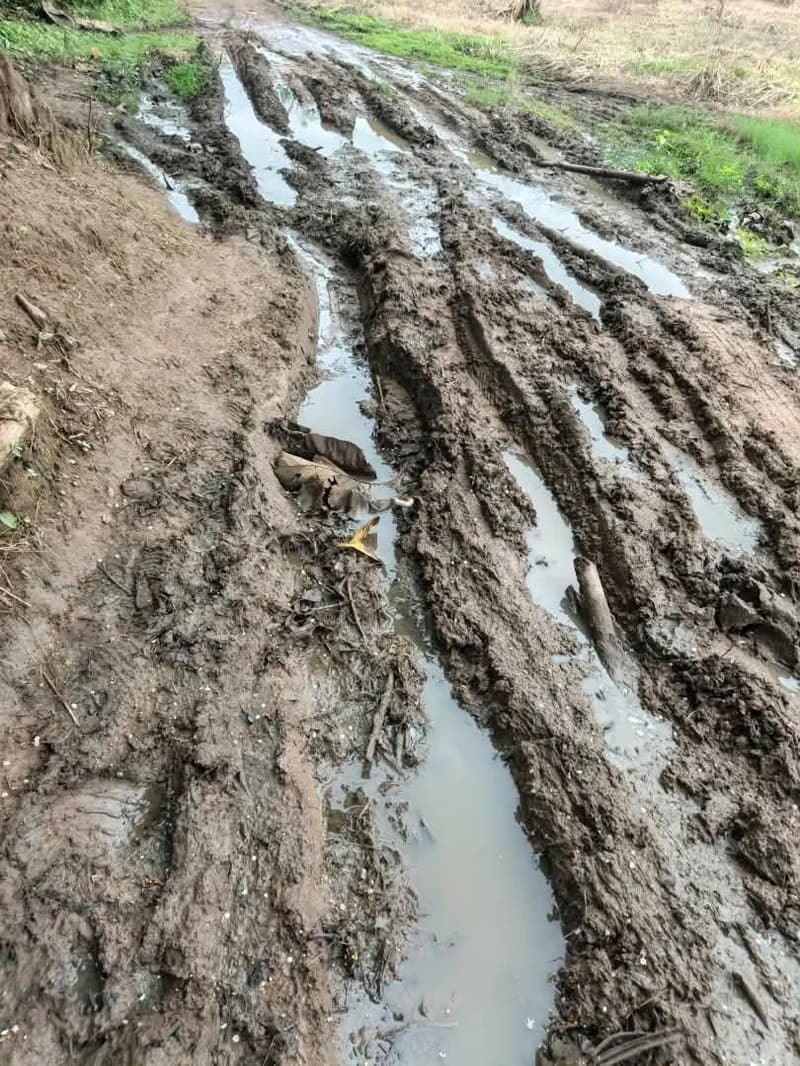
Residents and youth of Liati Soba and Liati Wote in the Afadzato South District are calling on their Member of Parliament, Frank Afriyie, and District Chief Executive, Manfred Tawiah, to address the deteriorating state of their access roads. The community describes the current road network as severely degraded, noting that the poor conditions are significantly hindering daily movement and economic stability in the area. Local leaders emphasized that the lack of maintenance has reached a critical point that requires immediate government intervention.
The infrastructure deficit is posing a major threat to the region's tourism sector, which is a primary source of local revenue. Liati Soba and Liati Wote serve as key access points for prominent national attractions, including Mount Afadja and Tagbo Falls. Residents pointed out that the deplorable state of the roads discourages tourists from visiting, which directly impacts the hospitality industry and prevents the district from capitalising on its natural landmarks. They argued that without better roads, the region's tourism potential remains largely untapped.
Beyond tourism, the poor road conditions are hampering agricultural activities and local trade. Farmers in the district are finding it increasingly difficult to transport their produce to market centres, leading to higher transportation costs and potential post-harvest losses. The youth in the community expressed concern that the road crisis is stifling overall development, making it difficult for small businesses to thrive and for residents to access essential services efficiently.
The community leaders are urging the Afadzato South District Assembly and the central government to prioritise these repairs to unlock the region's economic potential. They maintain that improved road connectivity is essential for enhancing the quality of life and ensuring that the district remains a viable hub for both agriculture and international tourism. As the rainy seasons continue to impact the road surface, the residents seek a swift response to prevent further isolation of their communities.


