••
Nearly Three Billion People Globally Exposed to Secondhand Smoke as Health Crisis Persists, Lancet Study Finds
•2 min read•1 source
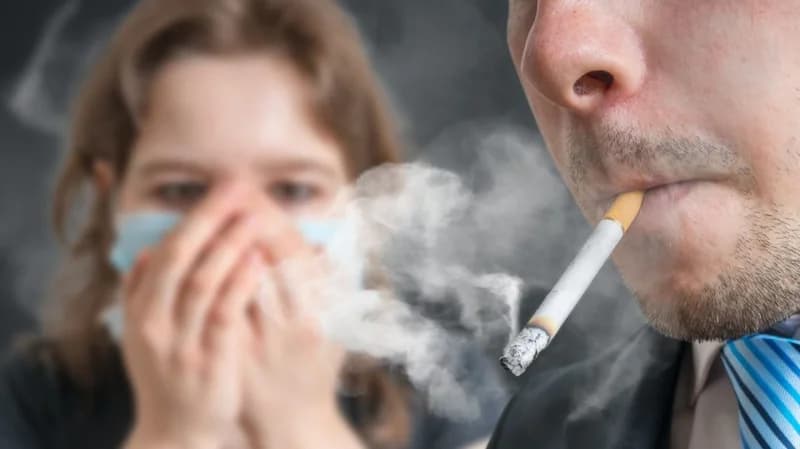
A groundbreaking study published in The Lancet Public Health reveals that approximately three billion people were exposed to the dangers of secondhand smoke (SHS) globally in 2023. Despite significant international efforts to curb tobacco use over the last three decades, the absolute number of people affected by passive smoking has remained largely unchanged since 1990. This exposure is linked to a staggering 1.66 million deaths annually and 44.8 million disability-adjusted life-years (DALYs), underscoring a persistent and severe public health challenge that transcends borders. The global prevalence rate of exposure currently stands at 33.9%, highlighting the massive scale of this environmental health risk.
The demographics of those affected are particularly concerning, with women and children bearing the brunt of the exposure. According to the research, 1.49 billion women and 767 million children under the age of 15 lived in environments where they were regularly exposed to tobacco smoke. Geographically, the crisis is most acute in Southeast Asia, East Asia, and Oceania, where exposure rates reach as high as 48.4%. Notably, China, India, and Indonesia alone account for nearly half of the world's total exposed population, indicating that tobacco control in these highly populated nations is central to solving the global issue.
In sub-Saharan Africa, the situation has taken an alarming turn, with exposure levels nearly doubling since 1990. The health consequences for these populations are dire; for adults, ischemic heart disease has been identified as the leading cause of health loss attributable to secondhand smoke. For children, the impact is frequently manifested through severe lower respiratory infections. These findings highlight a shifting landscape where tobacco-related health burdens are increasingly concentrated in regions where rapid population growth and limited tobacco control measures create a significant risk to public health.
Addressing this global health emergency requires a renewed commitment to comprehensive tobacco control measures and the implementation of voluntary smoking restrictions in private spaces. Public health experts emphasize that while legislative progress has been made in many nations, the lack of decline in absolute numbers indicates that current strategies are being outpaced by population expansion. To protect the billions currently at risk, international health bodies are calling for more aggressive interventions, including enhanced public education and stricter enforcement of smoke-free environments to mitigate the long-term impact on global health systems.
