••
Kwabena Mintah Akandoh to add 100 new ambulances to national fleet
•2 min read•4 sources
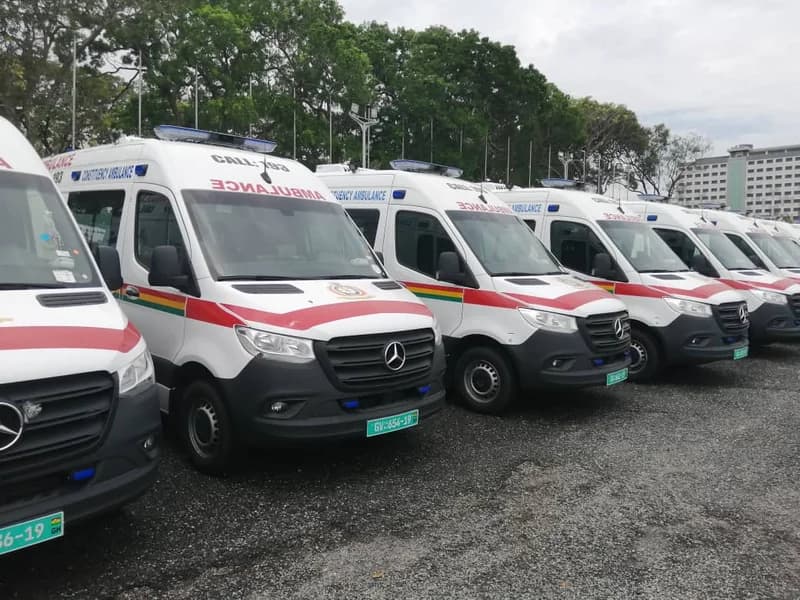
Health Minister Kwabena Mintah Akandoh has announced that the government plans to add 100 new ambulances to the national fleet in 2027 to strengthen emergency medical services across the country. Speaking in an interview with Joy News, the Minister revealed that while the procurement is scheduled for 2027, the government is already evaluating the best method for their distribution to ensure maximum impact on healthcare delivery. This expansion is part of a broader strategy to modernize Ghana's emergency response capabilities and reduce response times during medical crises.
The government is currently reviewing the "One Constituency, One Ambulance" model inherited from the previous administration to determine its continued viability. Akandoh explained that no final decision has been made on the distribution criteria for the 100 new vehicles, though the ministry is considering prioritizing the replacement of non-functional ambulances in their original locations. He emphasized that lessons learned from previous distribution methods will inform any changes to ensure the new units are deployed where they are most needed.
Addressing the current state of the ambulance fleet, Akandoh disclosed that many vehicles were found grounded and uninsured when the current administration took office in early 2025. Since then, the government has moved to insure all government ambulances and restore faulty units, bringing the total number of operational ambulances to over 200. This restoration effort was a critical prerequisite for the planned 2027 expansion, aimed at stabilizing the existing emergency infrastructure before adding new assets.
To complement the expanded fleet, the Ministry of Health is also piloting a national electronic emergency bed management system. This digital platform is designed to optimize patient transport by providing real-time data on bed availability at major hospitals, effectively addressing the "no-bed syndrome" that often hampers emergency care. Additionally, the ministry is working to expand emergency capacity at several major hospitals to ensure that the increased number of ambulances is matched by adequate facility readiness.


