••
Health Ministry begins pilot of national emergency bed tracking system
•2 min read•2 sources
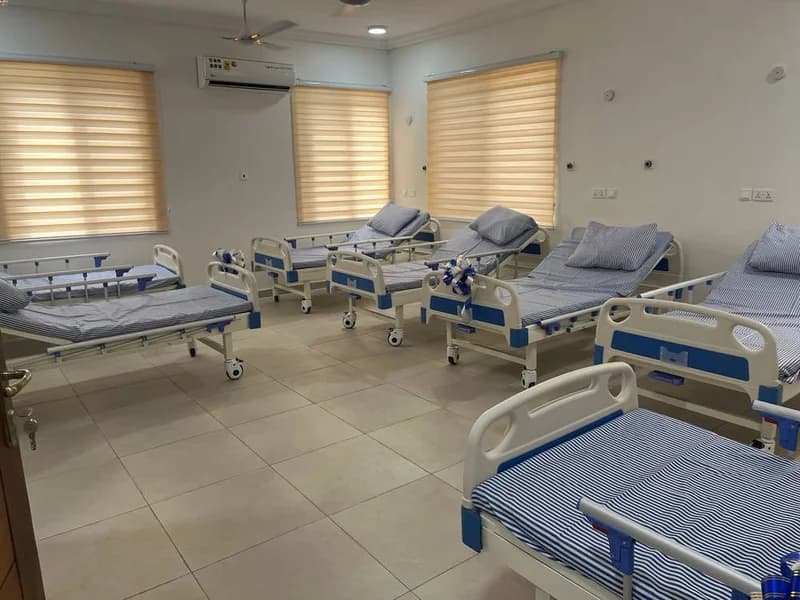
The Ministry of Health has officially launched a pilot program for a national emergency bed management system to eliminate the persistent "no-bed syndrome" in Ghanaian hospitals. Health Minister Kwabena Mintah Akandoh announced the initiative, which utilizes real-time data to track hospital occupancy and bed availability across more than 200 healthcare facilities. The system is designed to ensure that patients are directed to hospitals with available space, preventing the dangerous practice of turning away emergency cases due to perceived capacity issues.
Central to the new system is a dedicated command center located at the Greater Accra Regional Hospital (Ridge). This hub monitors data from participating facilities, allowing for coordinated patient transfers and more efficient referrals. By providing a centralized view of hospital capacity, the software aims to optimize the use of existing resources rather than focusing solely on increasing the physical number of beds. The Director-General of the Ghana Health Service (GHS), Dr. Samuel Kaba Akoriyea, emphasized that the primary challenge has been the lack of an integrated system to communicate availability to emergency responders.
The pilot program integrates closely with the National Ambulance Service, equipping crews with real-time information to decide which facility is best prepared to receive a patient. Dr. Akoriyea highlighted that the innovation was prompted by past tragedies, such as the death of a 29-year-old engineer following multiple hospital transfers. In addition to the tracking software, the GHS plans to establish bed management bureaus nationwide and launch a National Teleconsultation Centre to provide lower-level facilities with expert medical guidance, further reducing the strain on major hospitals.
Looking ahead, the government is expanding emergency capacities at major hospitals and strengthening transport infrastructure. Minister Akandoh revealed plans to procure 100 new ambulances by 2027 to bolster the referral system. This technological shift reflects a broader move toward practical, locally-tailored healthcare solutions aimed at streamlining the referral process and ensuring transparency in bed availability to restore public confidence in emergency medical care.

